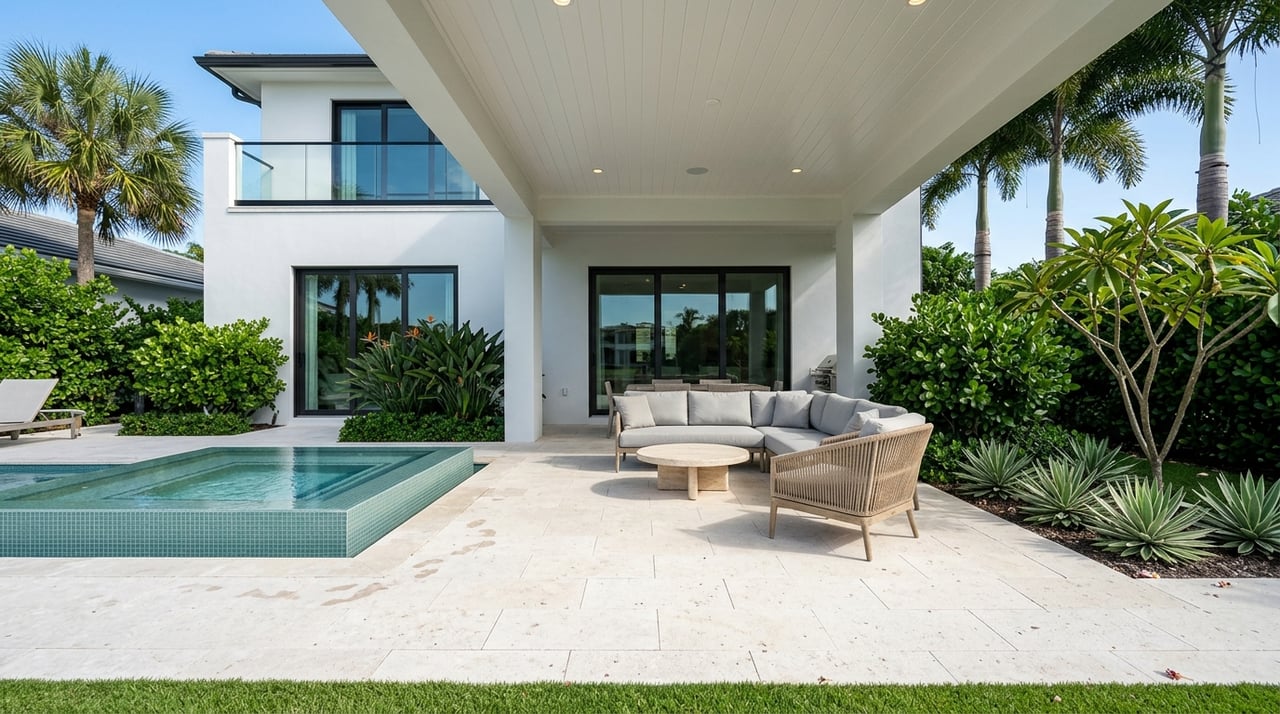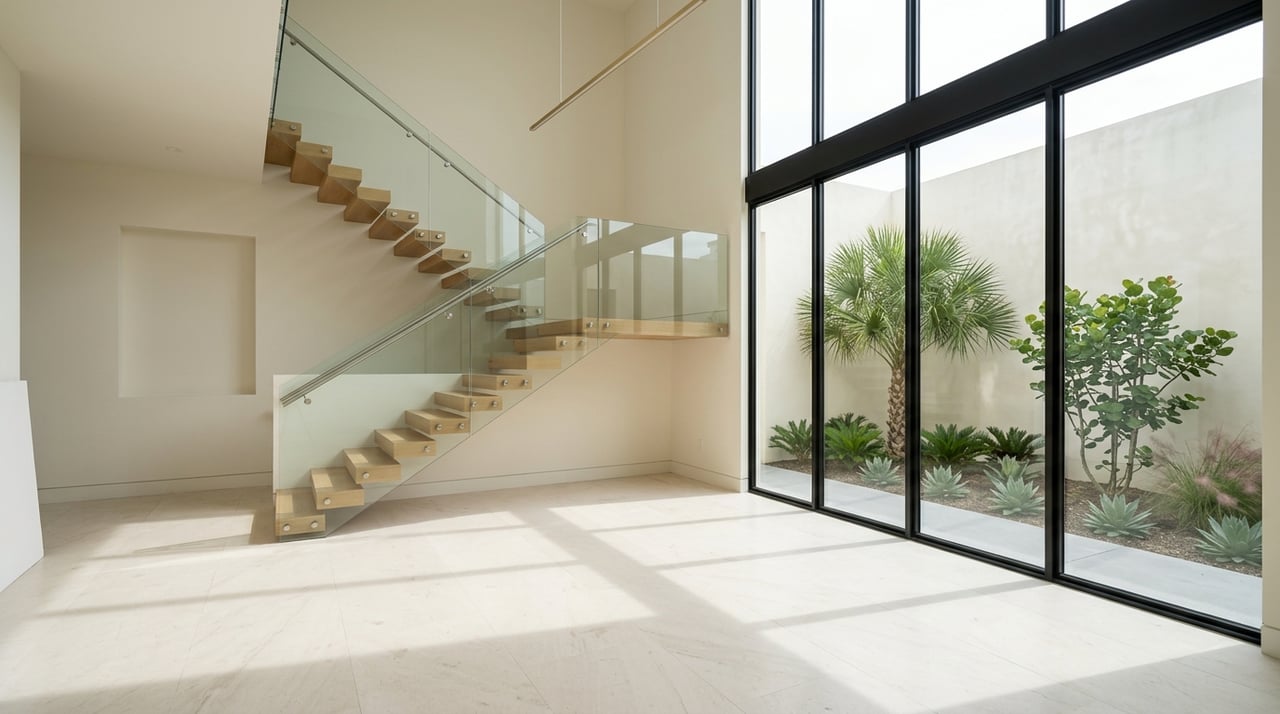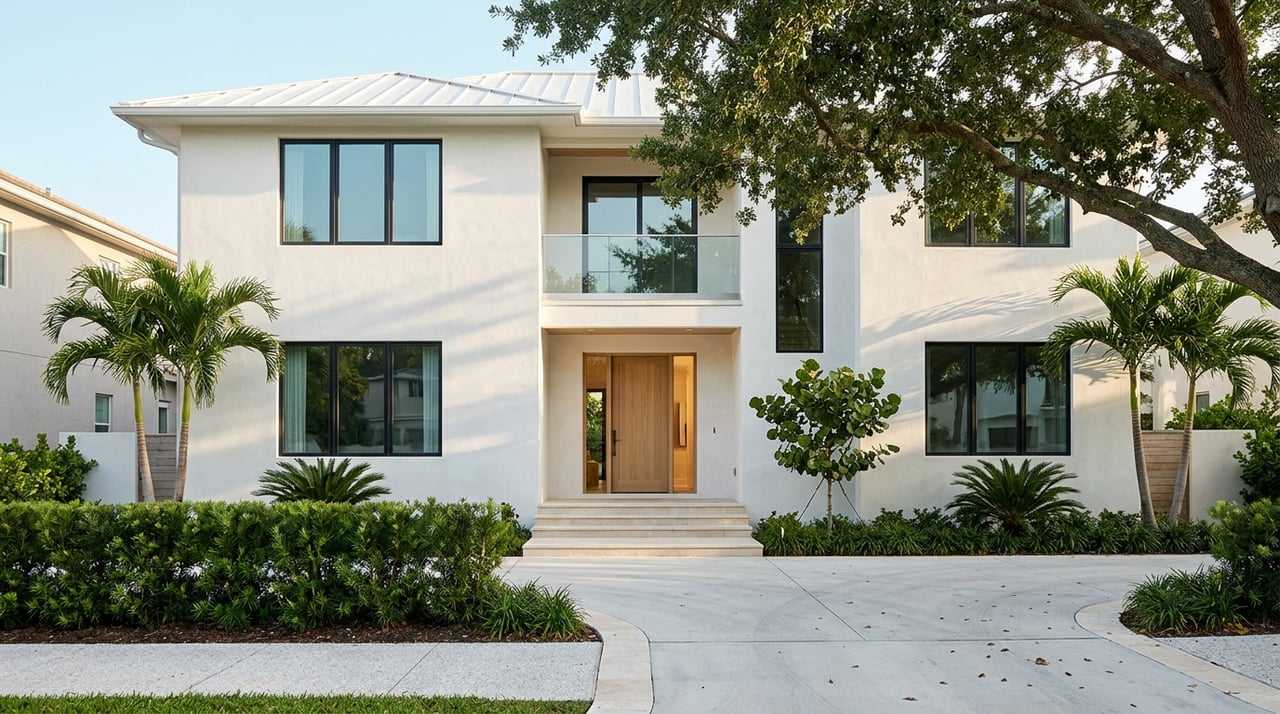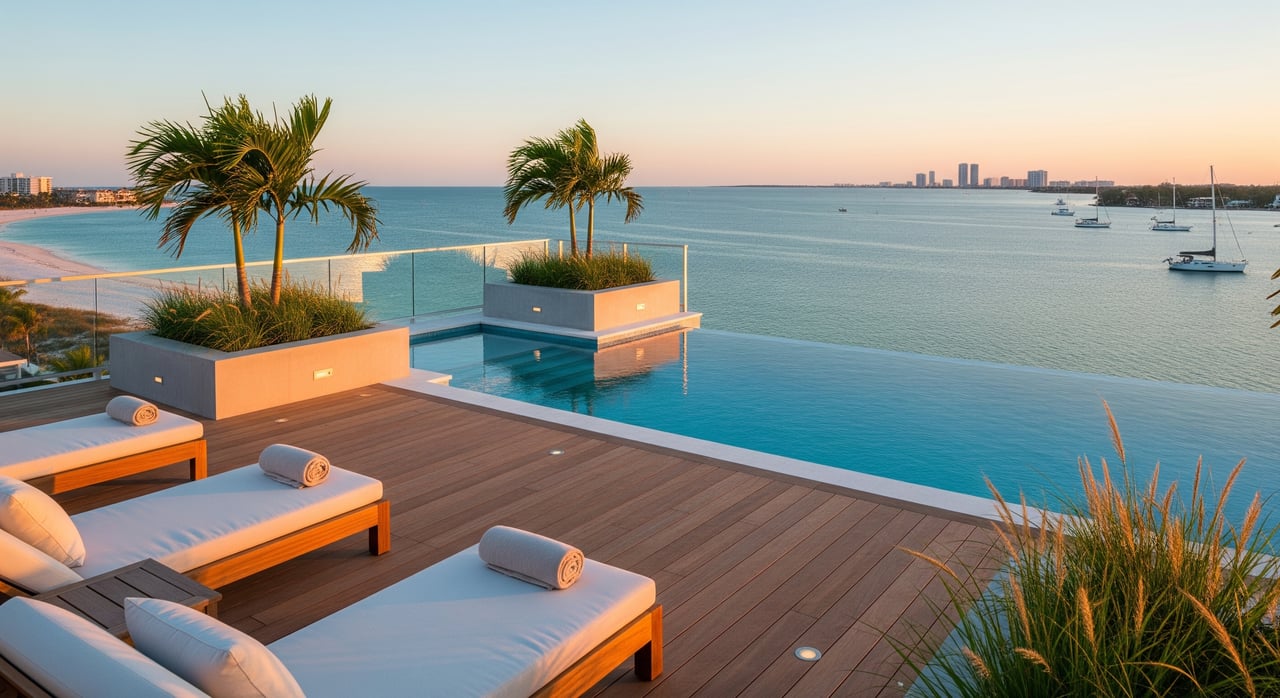
Is your ideal day split between a sunrise boat ride on calm bay waters and a sunset walk on powdery gulf sands? On Treasure Island, you can enjoy both without getting in the car. If you are weighing a purchase or planning a sale here, understanding what “Gulf-to-Bay” living really means will help you make smarter decisions. In this guide, you will learn how the island is laid out, what drives value on each shoreline, and the practical steps to manage flood, insurance, permitting and rentals. Let’s dive in.
What Gulf-to-Bay means here
Treasure Island is a narrow barrier island with the Gulf of Mexico on the west and Boca Ciega Bay on the east. That setup gives you access to two distinct waterfront experiences within minutes. Most parcels face either the gulf or the bay, though the walk between them is short on many streets.
In practice, Gulf-to-Bay living means you can enjoy sandy beaches, surf and sunsets on one side, then pivot to boating, fishing and protected waterways on the other. It is a daily rhythm of beach gear and boat shoes. You choose how to balance both based on your home’s orientation, your interests and your schedule.
The island’s layout
Many lots run east to west, which makes it easy to reach both shores by foot or bike. Low- to mid-rise condos cluster near the beach, while single-family homes, duplexes and townhomes are common throughout. Some homes are elevated on pilings, especially where flood rules require it.
Everyday lifestyle on both shores
- Gulf side: Public beaches, open-water views, beach recreation and seasonal tourism. Expect walkable access to beachfront amenities and incredible sunsets.
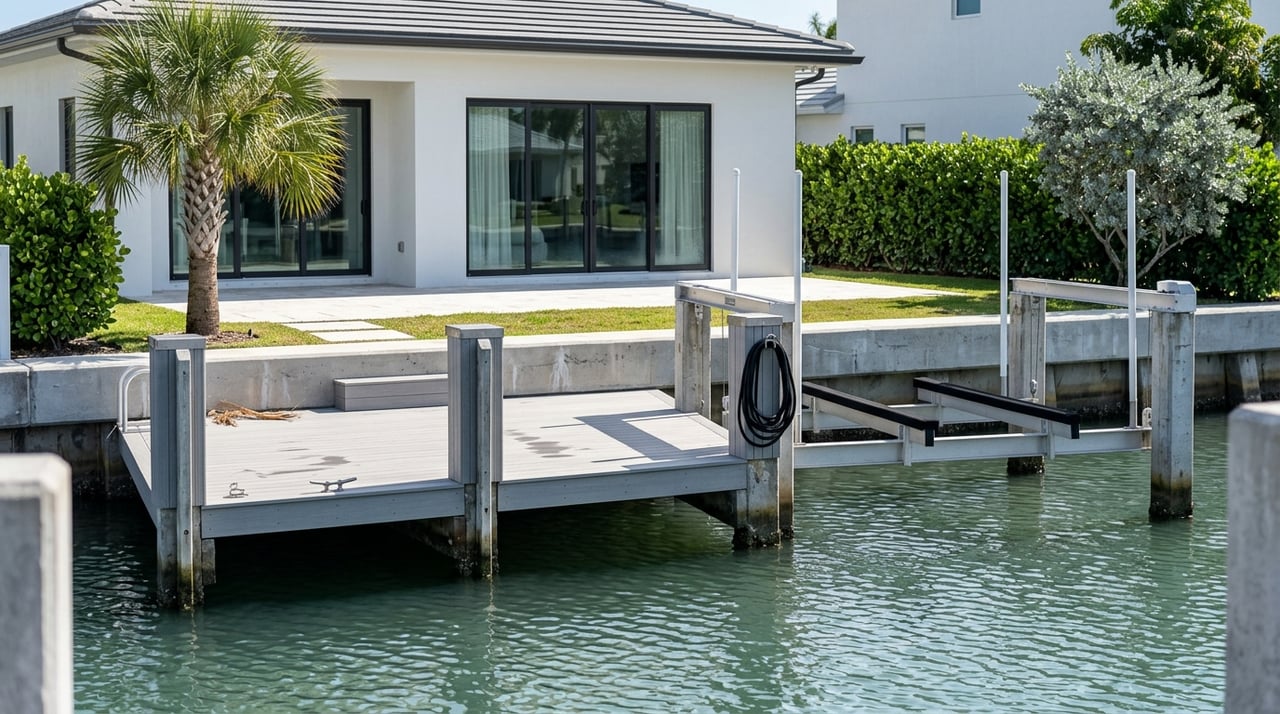
- Bay side: Calmer water, private docks and slips, inshore fishing and sunrise views. The Intracoastal setting is ideal for small craft and boating.
Property types and who buys
You will see a mix of condos near the beach, single-family homes on canals or open water, and smaller multi-unit properties. Buyers include second-home owners, investors seeking short-term rental potential, retirees and full-time residents who want direct access to water. If you value docking a boat steps from your back door, bayfront may lead. If you dream of coffee on your balcony with waves rolling in, gulffront may be your sweet spot.
Gulf vs. bay tradeoffs
No two waterfronts are the same. Understanding tradeoffs will help you value a property correctly and plan for ownership.
Gulf-facing benefits and tradeoffs
- Advantages: Direct beach access, wide-open gulf views, strong seasonal rental demand and the lifestyle badge of beachfront living.
- Tradeoffs: More exposure to wave action and storm surge, higher insurance and mitigation costs for some homes, and stricter coastal construction rules in certain zones.
Bay-facing benefits and tradeoffs
- Advantages: Calmer water, easier installation of private docks and lifts with proper permitting, better protection from gulf waves, and a quieter boating-focused vibe.
- Tradeoffs: Fewer direct beach amenities at your doorstep and different viewscapes that feature marinas and channels rather than the open gulf.
Features that drive value
When comparing homes, look beyond the view. These features meaningfully affect price, insurance and long-term performance:
- Elevation and foundation: Height above mean sea level and whether living areas are elevated on pilings.
- Seawalls and docks: Type, age and condition of seawalls, bulkheads, pilings and lifts. Maintenance history and permitting matter.
- Access: Deeded beach easements versus public beach access; private dockage versus community marinas.
- Rules and fees: HOA or condo restrictions governing rentals, docks and exterior maintenance.
- Flood zone classification: V, AE or X zones influence building standards and insurance costs.
Flood, storms and insurance
Flood risk is central to every Gulf-to-Bay discussion. Smart buyers verify maps early and seek quotes before they sign.
Flood zones 101
FEMA Flood Insurance Rate Maps place coastal parcels into zones with different standards and risk profiles:
- V or VE zones: Coastal high-hazard areas with wave action. Construction typically requires elevated living spaces and breakaway walls below base flood elevation. Flood premiums are generally higher.
- AE zones: Special Flood Hazard Areas without designated wave velocity. Lenders usually require flood insurance for mortgages.
- X or shaded X: Lower risk. Flood insurance is optional but often recommended.
Lenders usually require flood insurance in Special Flood Hazard Areas. An Elevation Certificate is commonly needed for accurate rating and can influence your premium.
Wind and homeowners insurance
Coastal Florida owners often carry separate windstorm or hurricane coverage. Premiums vary by elevation, building age and wind mitigation features like impact-rated windows, roof-to-wall connections and shutters. Get quotes early so you understand the full cost of ownership.
Building codes and permits
Florida Building Code includes coastal provisions for wind and flood. Properties in V zones must meet those higher standards. Coastal work may involve multiple agencies, including local building departments, state environmental regulators for activity near the Coastal Construction Control Line and federal review for certain in-water structures. Plan lead time for any project that touches dunes, beaches or submerged lands.
Docks, seawalls and improvements
Waterfront improvements enhance daily life and value, but they are tightly regulated for safety and environmental protection.
Permits you may need
- Docks, lifts and pilings: Typically require local permits, with additional reviews if work touches submerged lands or navigation channels.
- Seawalls and bulkheads: Replacements and major repairs usually require permits and must meet local design standards.
- Elevations and rebuilds: Substantial improvements may trigger current code compliance for flood and wind. Tear-downs must meet zoning, setback and lot coverage limits.
Sea-level rise and erosion
Long-term sea-level rise and beach erosion are important considerations, especially along the gulf edge. Budget for seawall upkeep, dune stabilization and periodic beach renourishment in your ownership plan. Consider how future regulatory updates or insurance changes could influence resale and carrying costs.
Short-term rentals on Treasure Island
Short-term rentals are common across Tampa Bay’s beaches and are regulated at the city level. Expect licensing requirements, occupancy limits, parking and noise rules, and transient rental tax obligations. Demand is seasonal, with stronger bookings in the fall and winter months. If you plan to rent, confirm city rules, HOA or condo policies and any building-specific restrictions before underwriting revenue. Model net income after management fees, insurance and taxes.
Costs, upkeep and resale
Gulf-to-Bay properties can deliver strong lifestyle and investment results when you plan for predictable costs and present a turnkey product at resale.
Recurring costs checklist
- Flood, homeowners and wind coverage with mitigation credits where available.
- Seawall, dock and lift maintenance including corrosion control and periodic inspections.
- HOA or condo dues, reserves and special assessments for coastal buildings.
- Utilities, landscaping, pest control and exterior upkeep in a salt environment.
Resale positioning tips
Turnkey, elevated and well-maintained homes tend to command attention. Highlight elevation data, recent insurance updates, wind mitigation features and any new seawall or dock work. If you are selling a rental property, present clean books with seasonality, average daily rates and net figures after taxes and fees. For boat-focused buyers, document water depth, channel access and lift capacity.
Buyer and seller checklist
Use this quick list to stay on track:
- Verify the flood zone on FEMA maps and request the Elevation Certificate if available.
- Ask about recent FEMA map changes or pending revisions.
- Get written quotes for homeowners, wind and flood insurance before you finalize terms.
- Confirm city short-term rental licensing, HOA rules and local ordinances if renting.
- Review all coastal features: seawalls, docks, pilings and permits, plus maintenance history.
- Confirm access rights such as deeded beach easements or public access points nearby.
- Check current building-code requirements if you plan renovations or a rebuild.
- For major waterfront investments, consider a marine contractor or coastal engineer assessment.
How Pedone Elite helps
You want both the beach and the boat, without surprises. Pedone Elite is a boutique real estate advisory with deep expertise across Tampa Bay’s barrier islands. The team blends local market mastery with international reach to position your property for success.
For buyers, you get a tailored search that weighs gulf versus bay tradeoffs, flood and wind implications, rental potential and long-term resale. For sellers, you get high-caliber visual marketing, data-driven pricing and access to global channels that attract affluent and mobile buyers. If your goals include yachting, luxury condos or multi-unit investments, the team’s cross-disciplinary capabilities can support complex transactions with discretion.
When you are ready to explore Treasure Island’s Gulf-to-Bay opportunities, connect with Evan & Ashley Pedone for a private consultation.
FAQs
What does Gulf-to-Bay living mean on Treasure Island?
- It means you can enjoy gulf beaches and sunsets on the west side and calmer bay waters for boating and fishing on the east side, often within a short walk or bike ride.
How do gulf-facing and bay-facing homes differ?
- Gulf-facing homes offer direct beach access and open-water views with more exposure to waves and storm surge, while bay-facing homes favor private docks, calmer water and boating access.
Do I need flood insurance in Treasure Island?
- If your property is in a Special Flood Hazard Area like AE or V, lenders generally require flood insurance, and an Elevation Certificate helps determine accurate premiums.
What permits are needed for docks or seawalls?
- Docks, lifts and seawalls typically require local permits and may involve state or federal review when work touches beaches, dunes or submerged lands.
Are short-term rentals allowed in Treasure Island?
- The city regulates short-term rentals through licensing, occupancy and tax rules, so confirm current requirements and any HOA or condo restrictions before renting.
How does sea-level rise affect gulffront property?
- Gulffront parcels face ongoing erosion and higher exposure to storms, so plan for dune or beach projects, seawall upkeep and potential insurance or regulatory changes over time.