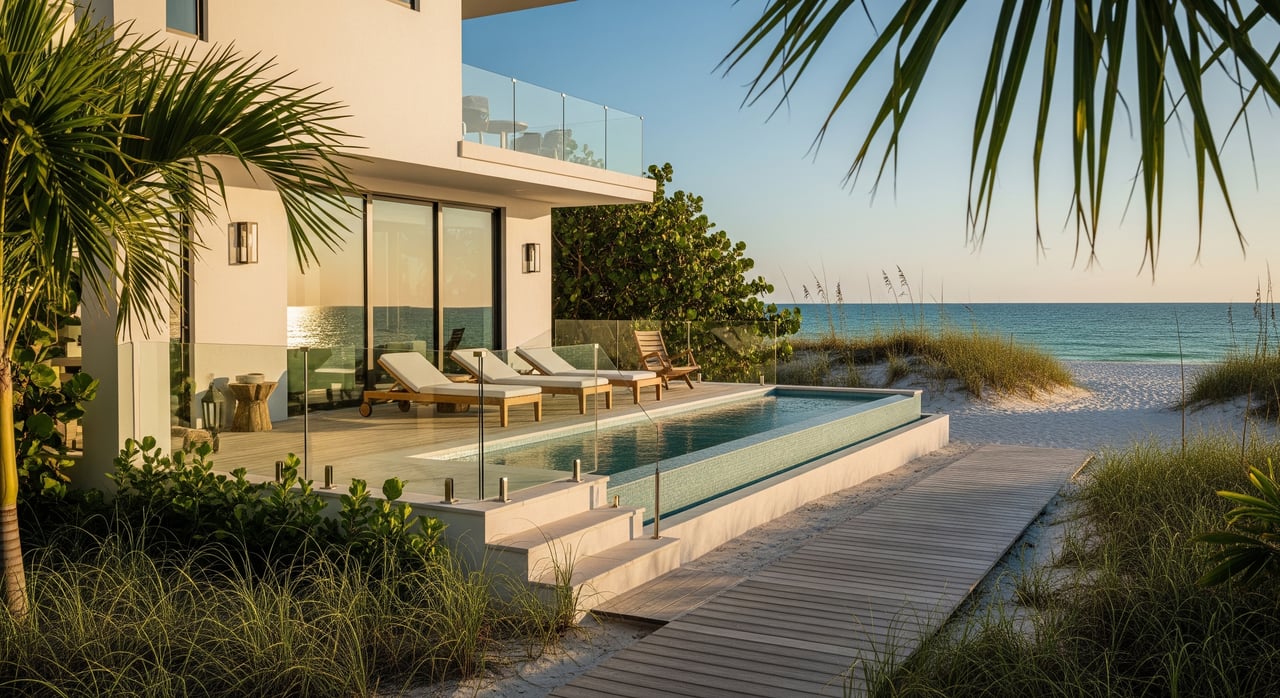
Picture yourself stepping onto soft white sand at sunset, the sky painted in gold and coral, and your favorite beach spot just a short walk from home. If you’re exploring a move to Treasure Island, you likely want the relaxed Gulf lifestyle without giving up daily conveniences. In this guide, you’ll get a clear, practical look at neighborhoods, beaches, daily logistics, and the real estate realities that shape life here, so you can decide if it fits your goals. Let’s dive in.
Where Treasure Island sits
Location and layout
Treasure Island is a barrier island city on Florida’s Gulf Coast in Pinellas County. The island stretches between the Gulf of Mexico to the west and Boca Ciega Bay to the east, with Madeira Beach and John’s Pass to the north and St. Pete Beach to the south. The city operates local services and posts updates on the City of Treasure Island website, which is a helpful starting point for beach rules, events, and municipal guidance.
Who lives here
You’ll find a mix of year‑round residents, retirees, seasonal “snowbirds,” and vacation renters. Condo buildings and cottages sit alongside waterfront homes with docks, reflecting mid‑century roots and ongoing renovations. The island’s small size and limited land keep density relatively low compared to larger cities on the mainland.
Neighborhood feel and pockets
Sunset Beach and Gulfside blocks
On the western side, especially around Sunset Beach, the vibe feels laid‑back. You get classic Gulf views and an easy sunset routine. Public access points and parking line Gulf Boulevard, so weekend and seasonal activity can be lively near key entries.
Central corridors and John’s Pass
Closer to the north end, near John’s Pass Village & Boardwalk just across the water in Madeira Beach, the scene is more active with restaurants, bars, shops, and water activities. It’s a go‑to area for boat tours, fishing charters, and parasailing, and a convenient place to meet friends for casual waterfront dining.
Paradise Island and residential pockets
On the bay side, Paradise Island is often cited for its residential character and proximity to amenities. Across the island, you’ll find a neighborhood-scale rhythm during non-peak seasons, with coffee spots, fitness studios, and local services within a short drive.
Beaches and outdoor life
Public beaches and access
Treasure Island Public Beach and Sunset Beach are the main public stretches, known for wide white sand and nightly sunset views. Beach access points are spread along Gulf Boulevard. Seasonal beach nourishment and dune protection work are managed at county and state levels, and conservation rules help maintain the shoreline.
Wildlife rules you should know
Sea turtle nesting typically runs from late spring through fall, and that affects lighting and behavior at night. Learn the basics on the FWC’s sea turtle nesting rules to keep the beaches safe for wildlife. For broader shoreline stewardship and project updates, the Florida Department of Environmental Protection’s beach management resources are useful.
Boating, fishing, and everyday fun
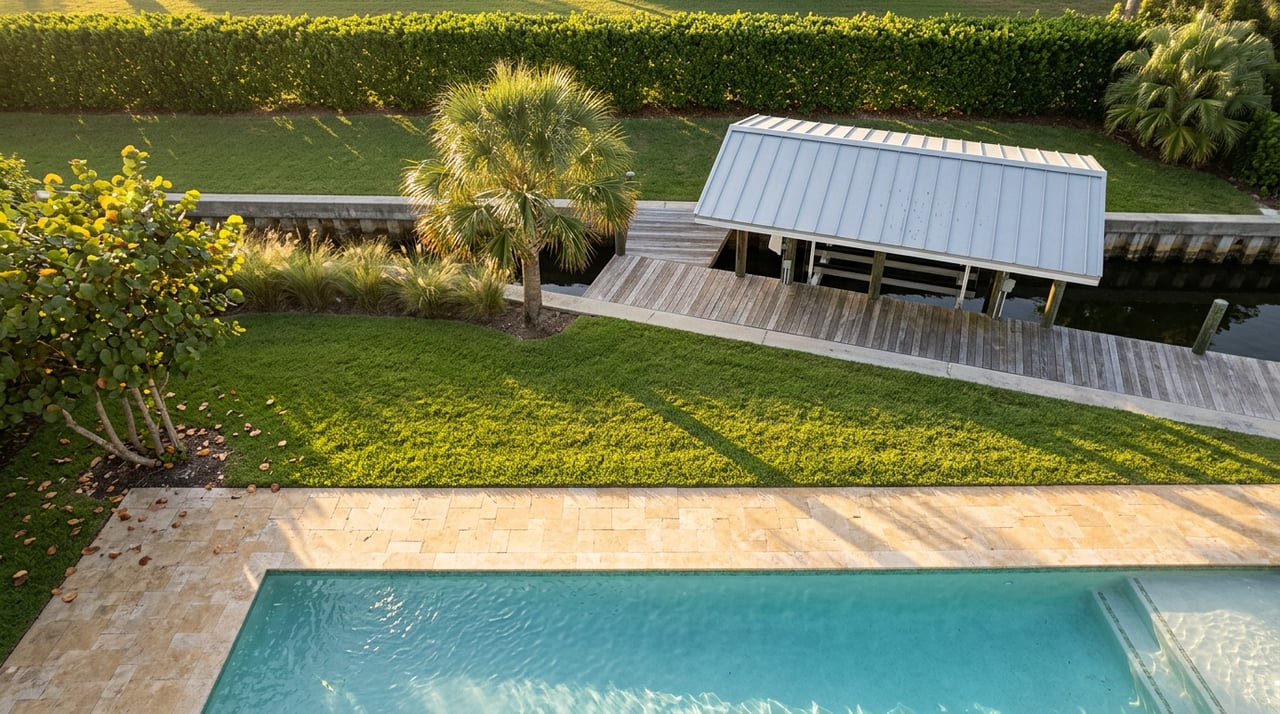
If you love the water, this is a great launch point. John’s Pass offers marina services, charters, and rentals for inshore and nearshore trips where dolphin‑watching and fishing are everyday options. On calmer days, paddleboarding or kayaking the bay is a regular part of life. Many waterfront homes include docks, subject to local permitting and water depths.
Daily conveniences and logistics
Shopping and services
You have small groceries, convenience stores, and local services on the island. For larger runs, most residents hop over the causeways to mainland Pinellas County. City services, police, and parks are available locally, while specialized services and major shopping clusters are nearby on the mainland.
Getting around and airports
Gulf Boulevard is the island’s main artery, and causeways connect you to St. Petersburg and the broader region. The PSTA bus service runs along Gulf Boulevard and links to mainland routes. Two commercial airports serve the area: St. Pete–Clearwater International Airport and Tampa International Airport. PIE is closer by distance, while TPA offers a wide range of national and international flights.
Schools and healthcare
Treasure Island is within the Pinellas County Schools system. School assignments and bus routes vary by address, so it’s best to review current district boundary maps and performance data during your home search. For healthcare, urgent care and specialty clinics are nearby on the mainland, and major hospitals are in St. Petersburg and Clearwater.
Real estate snapshot
Housing types and character
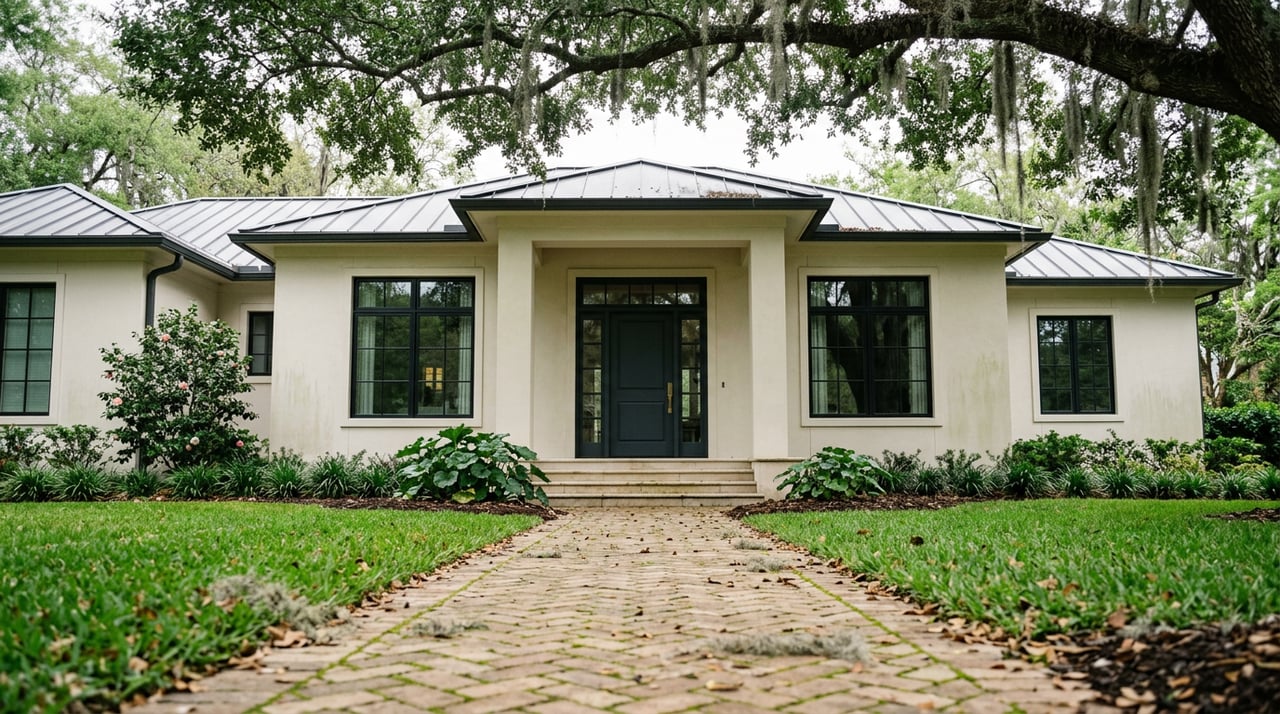
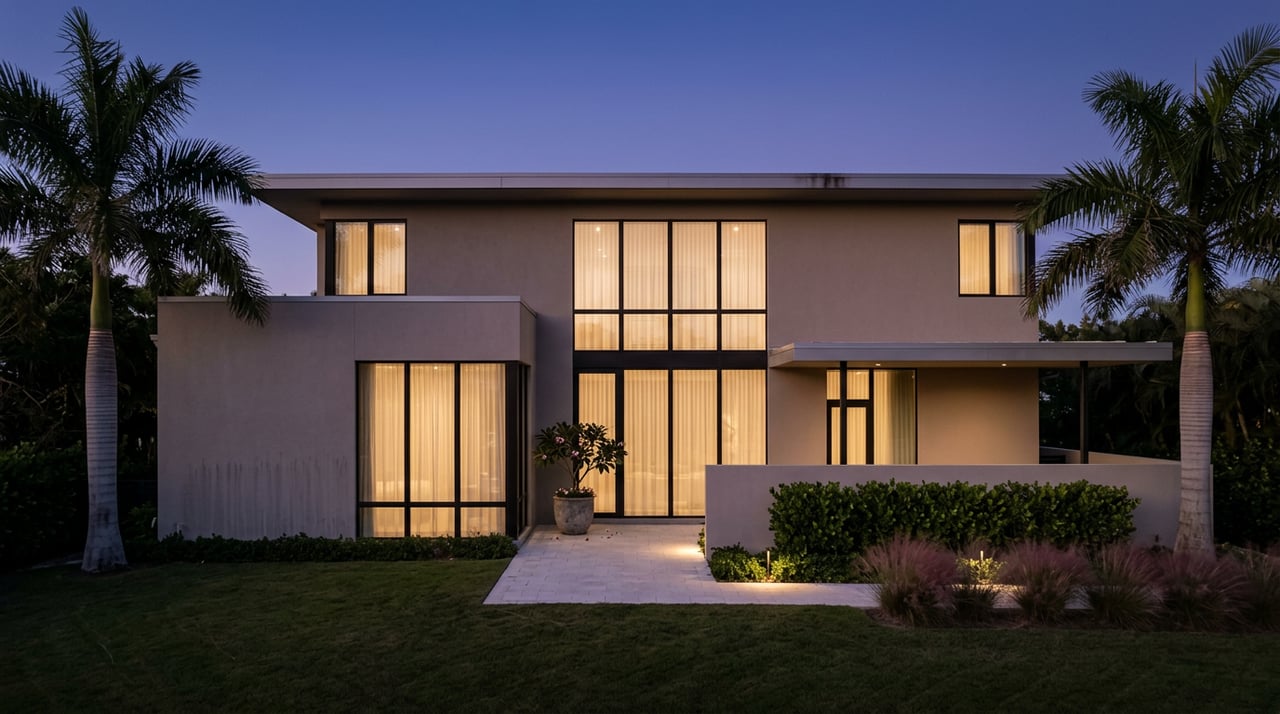
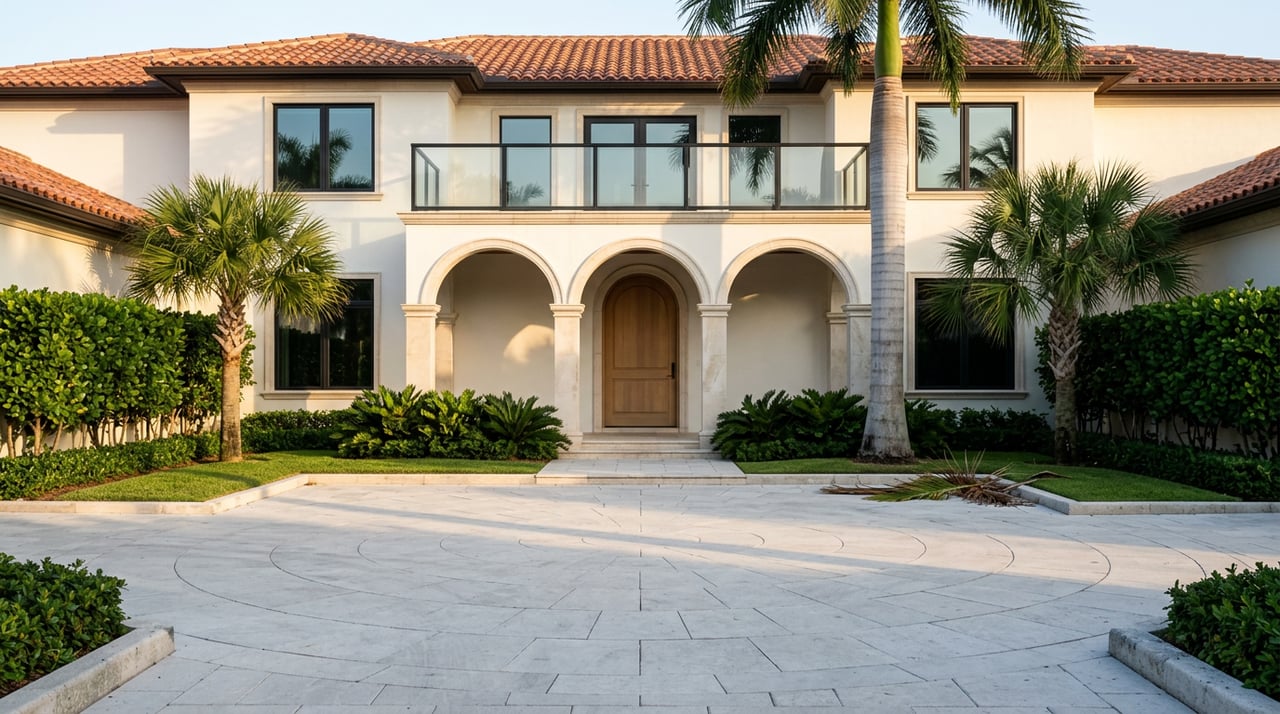
You’ll see a range of property types: low‑ to mid‑rise condos near the beach, mid‑century cottages and bungalows, updated single‑family homes, and waterfront properties with private docks. Limited land and strong seasonal demand support competitive pricing, and condos or smaller single‑family homes are common entry points for beach proximity.
Short‑term rentals and HOAs
Treasure Island has a notable short‑term rental presence. Local rules and registration requirements apply, and many condo associations and some neighborhoods set their own restrictions on leases, pets, and parking. Before you buy for rental income, review the city’s latest ordinances on the City of Treasure Island site and the HOA or condo documents for the building or neighborhood.
Flood risk, insurance, and resiliency
This is a coastal market, so plan for flood and wind considerations. Many properties sit in FEMA flood zones. Reviewing your address in the FEMA Flood Map Service Center can help you understand likely requirements for flood insurance. Florida’s building code includes strict wind and flood standards for newer construction, and older homes may need retrofits to meet insurance expectations. Long‑term, keep an eye on factors like tidal flooding and erosion; the NOAA coastal hazards resources offer helpful context.
Seasonal traffic and noise
Proximity to public beaches and John’s Pass brings more activity in peak season. If you value quiet, consider lot placement, building orientation, and on‑site parking. If you want to be in the middle of the action, aim for addresses closer to the main beach accesses.
Neighborhood highlights at a glance
- Treasure Island Public Beach: Wide sand, walkable shorelines, sunset routines.
- Sunset Beach: Relaxed, residential feel with easy Gulf access and views.
- John’s Pass: Dining, boat tours, fishing charters, and shopping nearby.
- Paradise Island: Residential pocket on the bay side with convenient access to amenities.
- Regional attractions: Fort De Soto Park and St. Pete/Clearwater waterfronts are a short drive.
For seasonal festivals, live music, and regional happenings, check Visit St. Pete/Clearwater as event calendars vary by year.
Who Treasure Island fits
- You want daily beach access and an easy sunset routine.
- You enjoy casual waterfront dining, boating, or fishing.
- You like a relaxed neighborhood pace with tourist energy nearby when you want it.
- You value condo convenience or a manageable single‑family home, possibly as a second home.
- You’re open to reviewing flood, insurance, and HOA details as part of ownership.
Buying smart in Treasure Island
Use this simple checklist to focus your search:
- Define your goals. Are you seeking a second home, full‑time residence, or investment with potential rental income?
- Narrow neighborhoods. Compare Sunset Beach, central Gulfside blocks, and bay‑side pockets like Paradise Island based on your lifestyle and noise tolerance.
- Budget beyond purchase price. Model flood insurance, homeowners insurance, HOA or condo fees, and maintenance costs.
- Review rules early. Confirm HOA or condo rental policies, pet rules, parking allocations, and exterior guidelines.
- Check flood exposure. Pull your address in the FEMA Flood Map Service Center and speak with an insurance professional about coverage options.
- Walk at different times. Visit during weekends and peak season to gauge parking, traffic, and noise.
- Plan for guests or tenants. If you will host or rent, confirm local registration requirements on the City of Treasure Island site and understand occupancy limits.
- Inspect for resilience. Ask about wind mitigation features, elevation, past permits, and any improvements aligned with current code.
- Map your daily life. Locate beach access, grocery options, transit, healthcare, and commute routes.
- Keep an eye on the shoreline. For conservation and maintenance updates, follow Florida DEP beach management and local notices.
Work with a trusted advisor
Buying on a barrier island is exciting, but it’s also nuanced. You want a partner who understands flood zones, rental rules, and the differences between condo and single‑family ownership on the coast. With boutique, concierge‑level service and global reach through Engel & Völkers, we help you source the right inventory, model ownership costs, and position your investment for future resale.
If you’re considering Treasure Island, connect with us for a tailored plan and private opportunities. Reach out to Evan & Ashley Pedone to Schedule a Free Consultation.
FAQs
Is Treasure Island more touristy or residential?
- Both. High season brings visitors and activity near beaches and John’s Pass, while many year‑round residents enjoy a relaxed, neighborhood pace the rest of the year.
What are the main beaches and rules I should know?
- Treasure Island Public Beach and Sunset Beach are the primary spots. During nesting season, follow the FWC sea turtle guidance to keep beaches safe for wildlife.
How does flood risk impact buying here?
- Many homes sit in FEMA flood zones, so lenders often require flood insurance. Start with the FEMA Flood Map Service Center to understand your address and likely coverage needs.
Are short‑term rentals allowed on the island?
- Short‑term rentals are present, but regulations and registration rules apply. Confirm the latest requirements on the City of Treasure Island site and in HOA or condo documents.
What transit options connect the island to the mainland?
- PSTA bus service runs along Gulf Boulevard and connects to routes across Pinellas County. Most residents still drive for daily errands and commuting.
Which airports serve Treasure Island?
- The closest options are St. Pete–Clearwater International Airport and Tampa International Airport. PIE is nearer by distance, while TPA offers more routes.