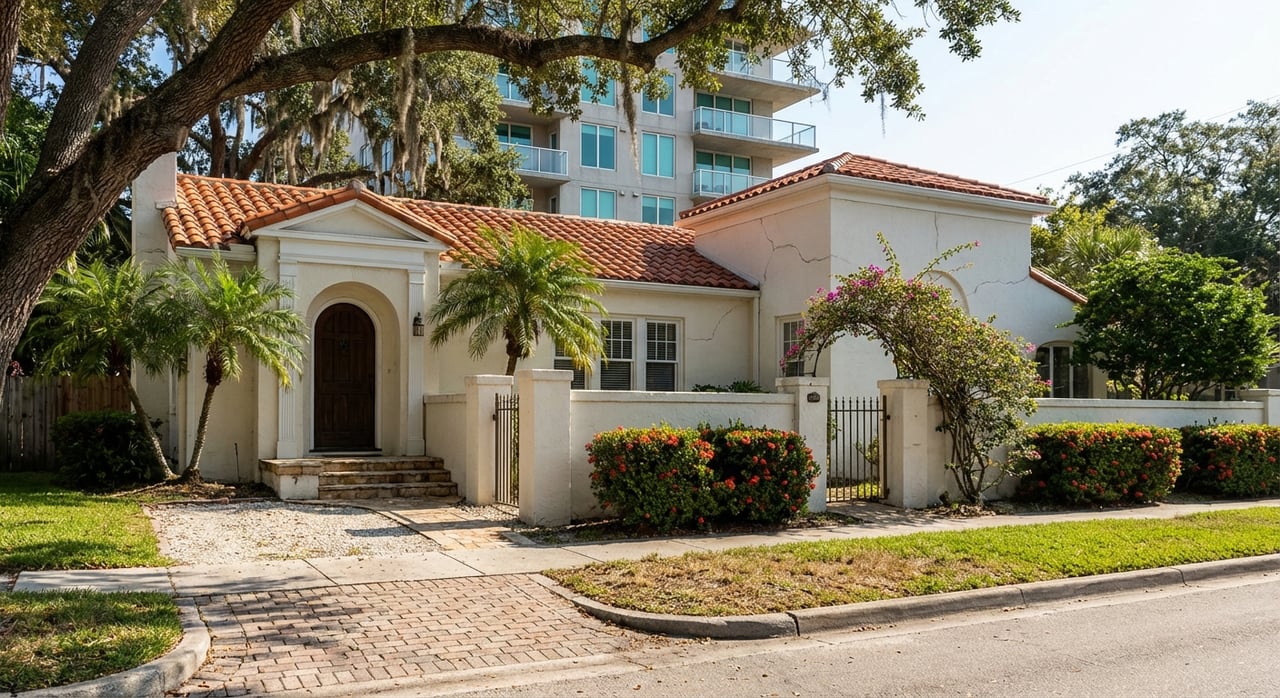
Torn between a shady front porch in Historic Old Northeast and a glass-wrapped condo high above downtown St. Petersburg? You are not alone. Both offer incredible access to the waterfront and culture, just in different ways. In this guide, you will compare lifestyle, costs, walkability, and key risk checks so you can choose with confidence. Let’s dive in.
Quick take: your best fit
- If you want historic character, a private yard, and a neighborhood feel, Old Northeast may be your match.
- If you want lock-and-leave living, panoramic views, and walk-to-everything convenience, a downtown condo likely fits.
- Many downsizers and second-home owners could be happy in either, depending on mobility needs, HOA preferences, and renovation appetite.
Walkability and daily life
Old Northeast walkability
Old Northeast sits just northeast of downtown and blends quiet residential blocks with quick access to waterfront parks and culture. Walkability varies by block, with the 33704 area scoring in the mid 60s overall, which is considered somewhat to very walkable depending on exact location. You can review the area’s Walk Score to gauge block-level convenience using the 33704 tool on Walk Score. Closer-to-downtown avenues often feel more walkable, while interior streets favor calm, porch-focused living.
- Explore the 33704 area Walk Score for a quick benchmark: Zip 33704 walkability overview.
Downtown walkability
Downtown St. Petersburg’s core is a walker’s paradise, with many central blocks scoring in the 90s. Beach Drive, Central Avenue, and the waterfront parks line your doorstep, and you have access to PSTA routes and the SunRunner bus rapid transit that connects downtown to St. Pete Beach. If you want to run daily errands and go out without a car, downtown wins on convenience.
- Check a representative downtown Walk Score map: Central downtown walkability.
Architecture and lifestyle feel
Old Northeast character
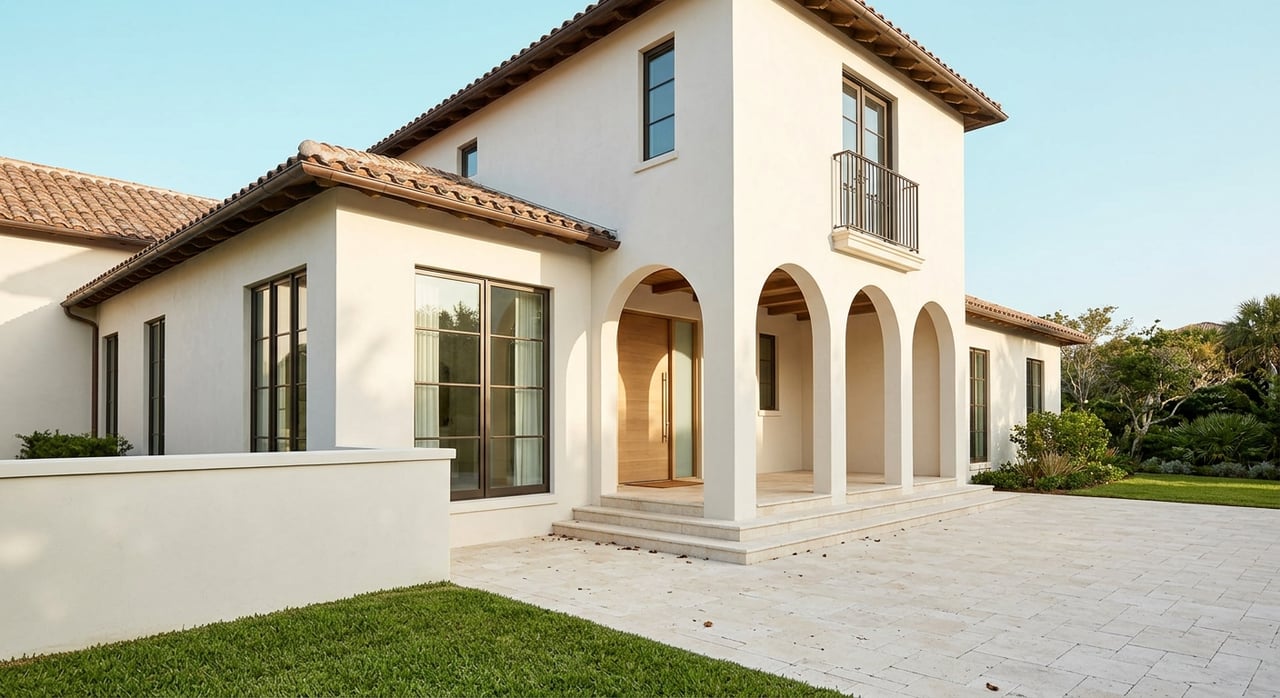
Old Northeast, also known as the North Shore Historic District, is one of St. Pete’s most recognized historic neighborhoods. You will find early 20th century bungalows along with Mediterranean Revival, Colonial Revival, and Craftsman homes, often on brick streets with mature canopy trees. Many houses orient to the street with generous front porches, and alleys help keep garages tucked away. The neighborhood’s identity and preservation culture are strong, supported by an active association and historic-district recognition.
- Learn more about neighborhood identity and boundaries on the Historic Old Northeast Neighborhood Association site.
- Review the historic district context on the North Shore Historic District listing.
Downtown condo experience
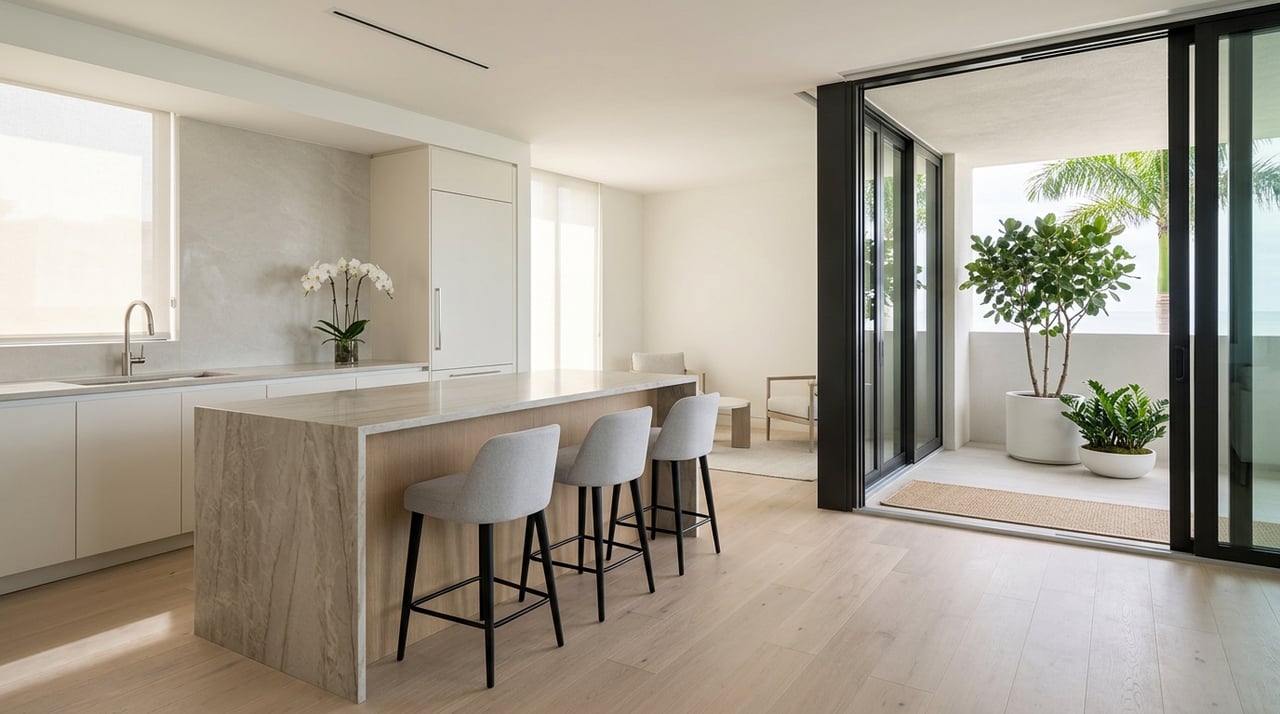
Downtown condos prioritize modern design, views, and amenities. Recent luxury towers like Signature Place, Saltaire, and ArtHouse offer concierge service, resort-style pools, fitness centers, secure parking, and contemporary finishes. Interiors tend to be open-concept with floor-to-ceiling glass, while the building handles exterior upkeep. If you want convenience and skyline or bay panoramas, this lifestyle delivers.
Costs and maintenance
Old Northeast homeownership costs
With a single-family home, you control your property, and you also carry the full cost of upkeep. That includes roof and structural repairs, landscaping, and insurance on the dwelling. Older Florida homes can require more frequent attention to roofing, HVAC, foundation or moisture concerns, and pest prevention. If you enjoy projects or value total control, this tradeoff can be a plus.
Downtown condo costs
Condo living shifts most exterior maintenance to the association, but you will pay monthly HOA fees that vary by building and services. In full-service towers, fees commonly run in the high hundreds to low thousands per month. You should also evaluate the association’s reserves, recent or planned special assessments, and how state inspection rules may affect future costs. For any building three stories or higher, Florida law now requires milestone structural inspections and a Structural Integrity Reserve Study. These reforms make building health and reserve funding central to your due diligence.
- Get a plain-language overview of inspection and reserve requirements in the Florida Bar’s summary of SB 4-D and condo reforms.
Privacy and control
Old Northeast control
A detached home gives you more physical privacy and a high degree of control over interiors and site design. Because Old Northeast has a local historic framework, many exterior changes that are visible from the street require review and sometimes a Certificate of Appropriateness. The guidelines preserve neighborhood character, which is part of the appeal, but they also add steps and timelines to exterior projects. If you plan a renovation, review the City’s design guidelines before you buy.
- Read the City’s Design Guidelines for Historic Properties.
Downtown condo privacy
In a condo, you trade some privacy for amenities and services. You share corridors and elevators, and sound can vary by unit position and floor height. Street-facing and lower floors may pick up more city noise, while higher floors often feel more serene. When touring, return at different times of day to experience the building and block.
Risk checks that matter
Do these checks early so you go into inspections and negotiations prepared.
- Flood and elevation. Use Pinellas County’s Flood Map Service Center to look up FEMA zones for specific addresses. If a property is in a Special Flood Hazard Area, a lender will likely require flood insurance. Ask for any Elevation Certificate on file and request quotes early to avoid surprises. Start with the Pinellas County Flood Map Service Center.
- Historic-district rules for Old Northeast. Confirm whether the property sits within a local historic overlay, which triggers exterior design review. The City’s guidelines explain what work requires a Certificate of Appropriateness and what materials are encouraged. Review the Design Guidelines for Historic Properties before planning exterior changes.
- Condo building health. For any downtown condo, request copies of the milestone structural inspection or schedule, the Structural Integrity Reserve Study, audited financials, current reserve balances, recent special assessments, litigation disclosures, and board meeting minutes related to major repairs. Florida’s updated laws make many of these items standard disclosures. See the Florida Bar’s overview of condo inspections and reserves to understand the framework.
- Insurance clarity. For condos, verify what the master policy covers and what your HO-6 policy must insure inside the unit. For single-family homes, ask about wind mitigation credits and the age and condition of the roof. Your insurer can provide quotes based on the property’s specifics.
Resale and liquidity
Old Northeast resale dynamics
Historic single-family homes in a preserved neighborhood often benefit from scarcity value. Lots are finite, and buyers prize period architecture, mature landscaping, and a strong neighborhood identity. Well-maintained homes, especially on prime streets or near the waterfront, can see durable demand over time.
Downtown condo resale dynamics
Condo resale performance depends heavily on building-level factors. The association’s financial health, inspection and reserve status, rules around rentals, and any pending litigation can shape both buyer demand and financing options. Newer luxury towers can command premium prices per square foot, but documentation and HOA governance often outweigh neighborhood demand when buyers compare buildings.
Which profile fits where
Professionals and frequent travelers
If you want maximum convenience, minimal maintenance, and quick access to restaurants, the arts, and waterfront parks, a downtown condo is a strong fit. The lock-and-leave setup suits busy travel schedules. Confirm parking, guest policies, and any rental rules if you expect to lease the unit seasonally.
Downsizers and empty nesters
Both options can work. Downtown offers elevators, building services, and walk-to-everything ease. Old Northeast offers single-level bungalows, private outdoor space, and a slower-paced neighborhood feel near the bay. Weigh mobility needs, HOA preferences, and whether you want a yard or a balcony with views.
Second-home and part-time owners
Downtown condos often win for part-time living because the building manages much of the exterior risk. Old Northeast can also work well if you have trusted local management and a clear hurricane readiness plan. Review association rules in either case if seasonal rentals are part of your plan.
How to compare on a tour
Use this side-by-side checklist as you visit properties.
- Walkability test. Start at the front door. Can you reach your favorite coffee, park, or market on foot within 10 minutes? Cross-check the Walk Score for context.
- Sound and privacy. Visit at different times. For condos, compare line, exposure, and floor height. For homes, stand in the yard and street to gauge traffic patterns.
- Storage and vehicles. Confirm secure storage and parking for bikes and beach gear. Check guest parking or street parking rules.
- Maintenance scope. For homes, list upcoming systems and exterior items by age. For condos, review the HOA budget, reserves, and any planned capital projects.
- Risk documents. Pull the flood zone, look for an Elevation Certificate, and collect condo inspection and reserve documents early in the process.
Ready to decide?
Whether you lean toward Old Northeast’s porch life or a skyline-level condo, you deserve an advisor who knows both sides of the market and can navigate inspections, reserves, and negotiation details with care. If you want a discreet, high-touch process and access to global reach, connect with Evan & Ashley Pedone to map your best move and Schedule a Free Consultation.
FAQs
What is Historic Old Northeast and where is it?
- Old Northeast, also called the North Shore Historic District, sits just northeast of downtown St. Petersburg with boundaries commonly described as 4th St N, 5th Ave N, 30th Ave N, and Tampa Bay or Coffee Pot Bayou; learn more on the HONNA neighborhood site.
How walkable are Old Northeast and downtown St. Pete?
- Downtown’s central blocks are a walker’s paradise with Walk Scores in the 90s, while 33704 averages in the mid 60s with higher scores near downtown; compare both using this downtown Walk Score map and the 33704 overview.
Do I need approvals to renovate an Old Northeast home?
- Many exterior changes visible from the street require review in the historic district; read the City’s Design Guidelines for Historic Properties and confirm whether a Certificate of Appropriateness applies.
What condo documents should I request before buying downtown?
- Ask for the milestone structural inspection or schedule, the Structural Integrity Reserve Study, audited financials, current reserve balances, recent assessments, litigation disclosures, and related meeting minutes; see the Florida Bar’s summary of condo reforms for context.
How do I check flood risk for a home or condo in St. Petersburg?
- Search the Pinellas County Flood Map Service Center for FEMA flood zones by address, ask for any Elevation Certificate, and get preliminary insurance quotes early if the property sits in a Special Flood Hazard Area.