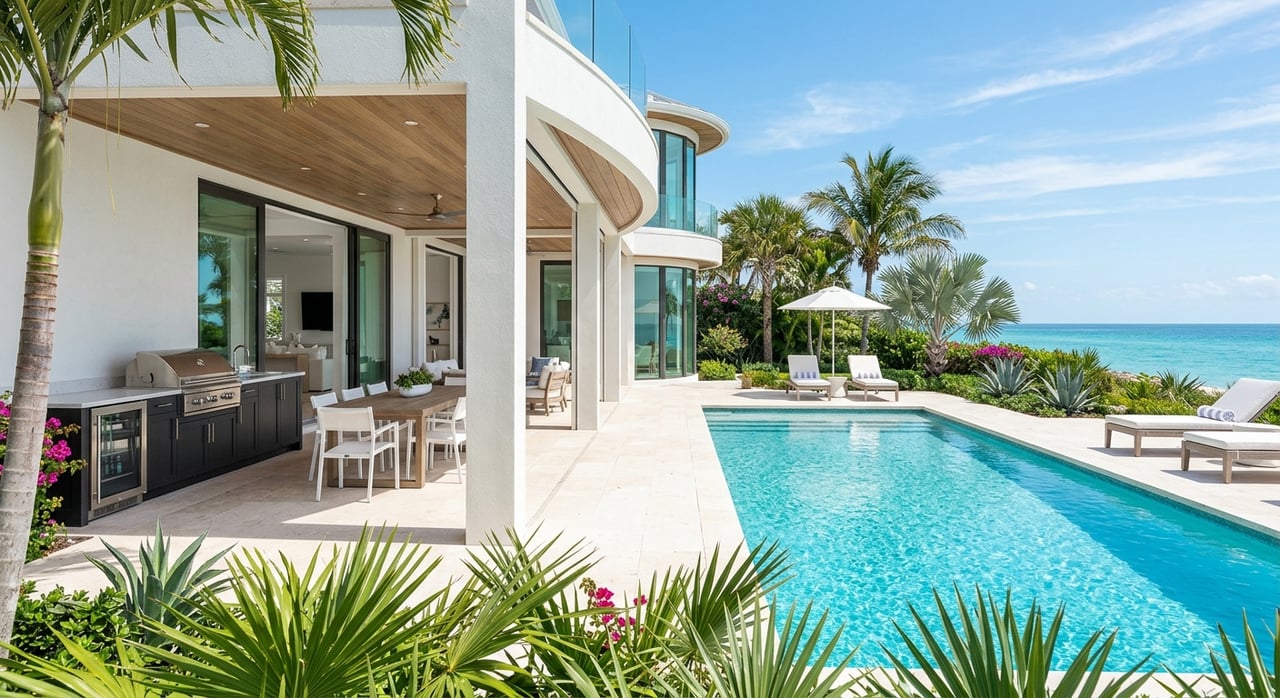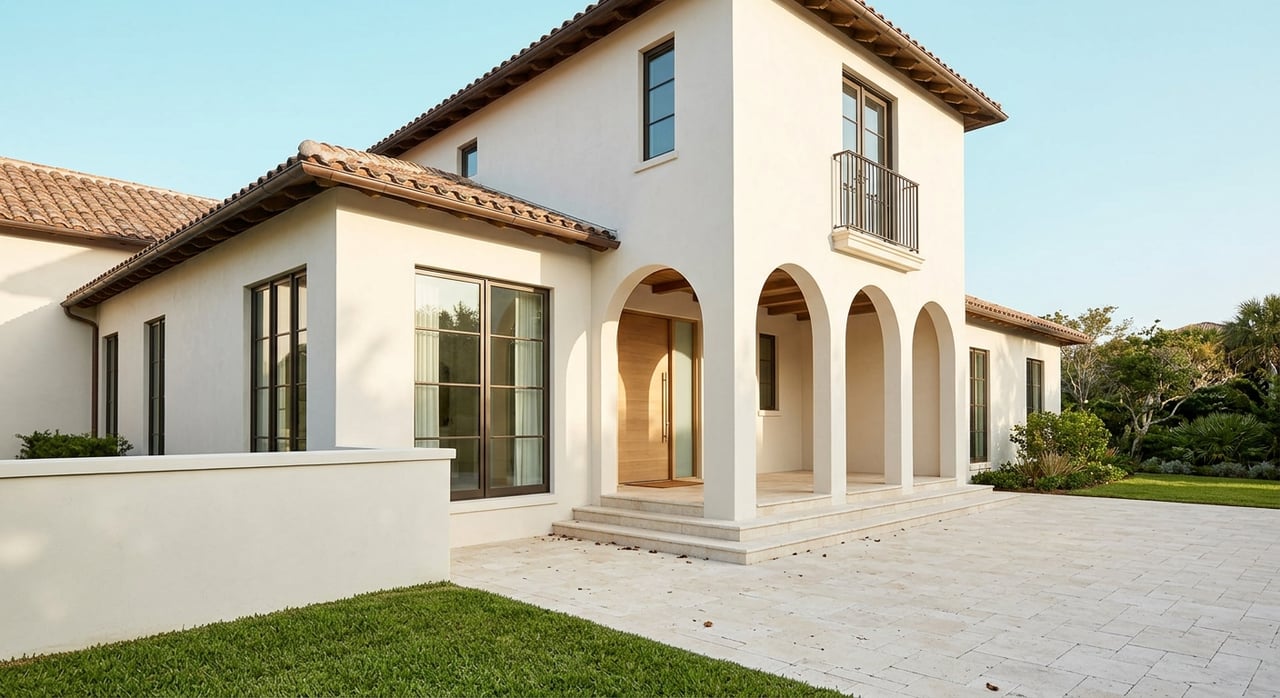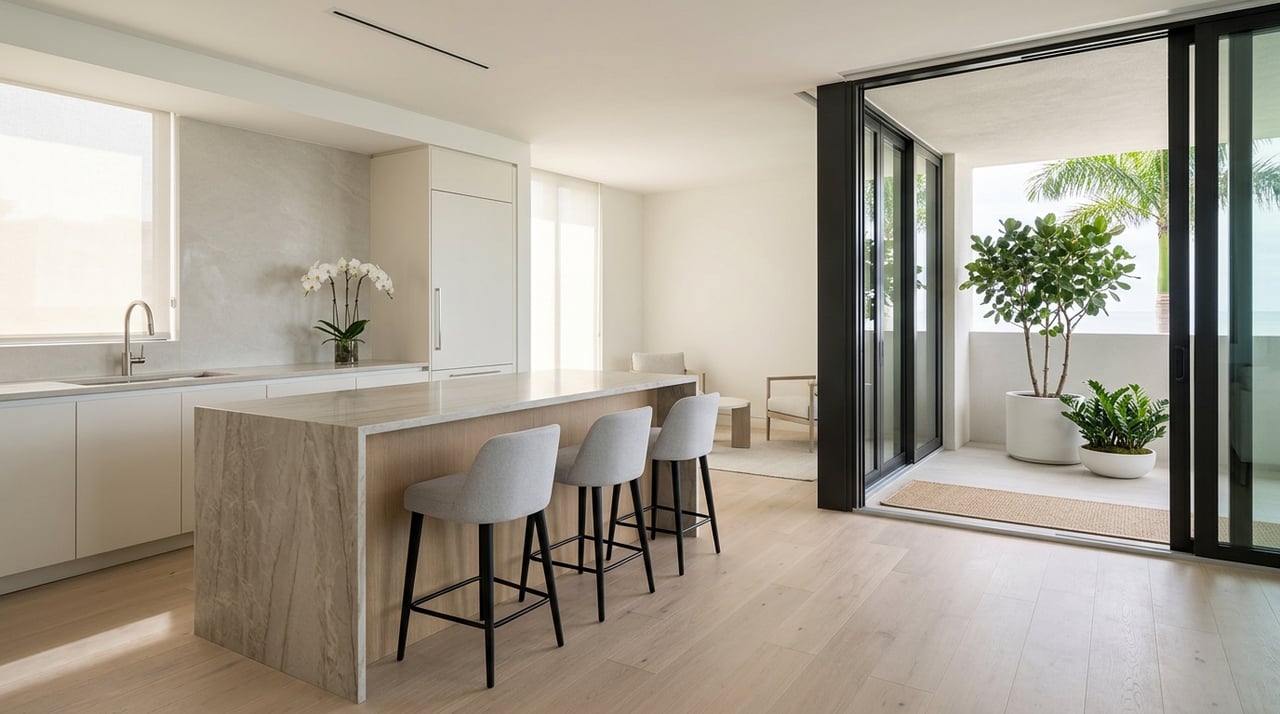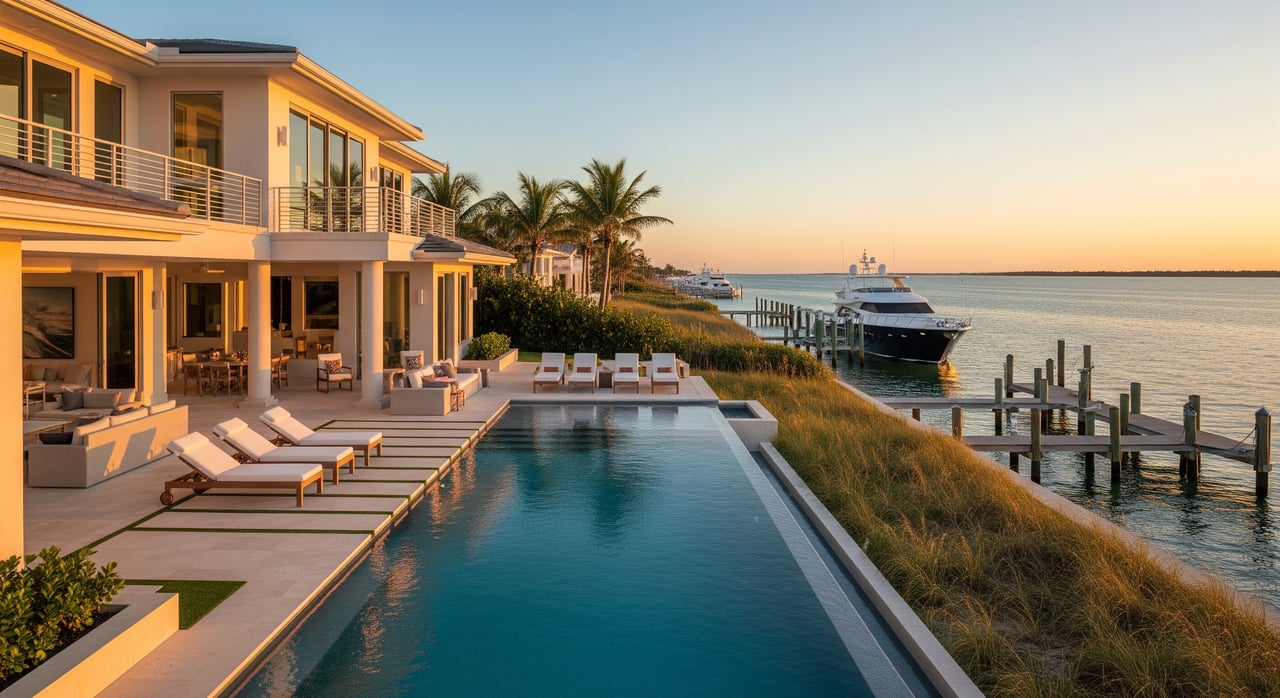
Torn between waking up to Gulf sunsets or stepping onto your own dock on the bay? You are not alone. Buyers in Treasure Island often compare true beachfront living with the boating lifestyle on the Intracoastal side. In this guide, you will see the real trade-offs on price, use, risk, rentals, and maintenance, plus a simple decision framework and a due diligence checklist to help you move forward with confidence. Let’s dive in.
Treasure Island at a glance
Treasure Island sits on Florida’s Pinellas County coast with the Gulf of Mexico on the west and Boca Ciega Bay on the east. The Gulf side centers on wide beaches, walkable dining along Gulf Blvd, and the island’s iconic sunsets. The bay side leans residential with calmer water, private docks, and easy access to the Intracoastal and Johns Pass.
Gulf-front properties are mostly low to mid-rise condos and a handful of single-family homes. Bayfront options include single-family homes with seawalls or docks, duplexes, and smaller condo buildings. Your daily routine will feel different on each shoreline, so it pays to match the location to how you actually live.
Pricing and resale
Gulf-front condos often sell at a higher price per square foot due to true beachfront access and limited supply. Bayfront single-family homes can also command strong values, especially where there is a permitted deep-water dock, good water depth, and a healthy seawall. Values on both sides are sensitive to view quality, building rules, construction type, elevation, and insurance costs.
Buyer pools and liquidity
- Gulf-front condos attract vacation and lifestyle buyers who want instant beach access. Demand is broad and visible.
- Bayfront homes attract boaters and buyers who want outdoor space and quieter streets. The demand is focused but consistent.
What moves the needle on price
- View and exposure, from unobstructed Gulf panoramas to canal-facing bay views.
- HOA policies, amenities, and whether short-term rentals are allowed.
- Dock capacity, water depth, and documented permits on bayfront homes.
- Flood zone, elevation certificates, wind mitigation features, and resulting insurance costs.
Beach access and daily life
If your ideal day starts with a morning walk on the sand, Gulf-front makes it effortless. You get immediate access to boardwalks and beach paths, plus world-class sunsets right from your balcony. The trade-off is seasonality. During peak months, public beachgoers and parking can bring more activity and noise.
Bayfront living means you will drive or walk across the island for beach time. In return, you get calmer water for kayaking and paddleboarding and more private outdoor living at home. Many bay lots have space for a dock and lift, which turns the backyard into your launch point for the day.
Boating and marine access
The bay side is the clear winner for private boating. Most docks and seawalls sit on protected water with quick runs to the Intracoastal and Johns Pass. Before you buy, verify dock feasibility, permits, and water depth, plus any limits on slip size or type. County permitting and environmental reviews can apply to new or expanded docks and seawalls.
- Start permit and dock questions with Pinellas County’s building and development resources. Review guidance on docks, lifts, and seawalls through the county’s portal at the Pinellas County building and development site.
- For boating rules, speed zones, and safety, refer to the Florida Fish and Wildlife Conservation Commission’s boating resources.
Gulf-front condos rarely include deep-water dockage on site. If you want both direct beach access and a boat, you will likely rely on nearby marinas or public ramps.
Insurance, flood, and storms
Both sides of the island face hurricane wind risk and storm surge, but exposure patterns differ. Gulf-front properties face wave action and beach erosion. Bayfront homes can flood from back-bay surge, which varies with elevation and seawall condition.
- Check a property’s flood zone using the FEMA Flood Map Service Center, then obtain the elevation certificate to understand the finished floor elevation.
- On the Gulf side, certain parcels may fall under Florida’s Coastal Construction Control Line. Review the program at the Florida Department of Environmental Protection and confirm any coastal setback implications.
- For long-term risk context, explore the NOAA Sea Level Rise Viewer.
Insurance costs depend on flood zone, elevation, construction type, and wind mitigation features. Ask for sample quotes for homeowners, windstorm, and flood coverage early in your search.
Ownership and maintenance
In Gulf-front condo buildings, HOA fees typically cover exterior maintenance, common insurance for structures, elevators, pools, and beach access areas. Review reserves, any special assessments, and the master insurance policy to understand the true carrying cost.
On the bay side, single-family owners usually take responsibility for seawalls, docks, pilings, and lifts. These are capital items with defined lifespans that affect safety, insurance, and resale. Ask for recent inspection reports and maintenance records. A healthy seawall and documented dock permits are valuable.
Noise and neighborhood character
Expect more daytime foot traffic, seasonal crowds, and nightlife near the Gulf and Gulf Blvd. That can be a plus if you enjoy walkability to restaurants and beachfront amenities. Bayfront streets are generally quieter and more residential, with boat noise tied to marinas and neighborhood docks. Tour the block at different times and in peak season to understand patterns.
Rental and investment rules
Short-term rental demand is often strongest in Gulf-front condos because of true beachfront access. Many associations permit rentals, sometimes with minimum night rules or caps. Bayfront homes can also perform well, especially for boating-focused guests, but the audience is narrower.
- Confirm city rules, registration steps, and occupancy standards with the City of Treasure Island’s official website.
- Then verify HOA documents for rental policies, pet rules, reserves, and any pending assessments.
Condos with on-site management can simplify operations for investors, though fees and booking policies vary. Single-family rentals need reliable local management for turnover and maintenance.
Decision framework
Use your top priorities to guide the search.
- If daily beach life, sunset views, and easy rental demand are your top goals, focus on Gulf-front condos and the rare Gulf single-family listing. Expect higher price per square foot and HOA fees.
- If private boating, a dock, larger outdoor areas, and quieter streets matter most, focus on bayfront single-family homes with permitted docks and documented water depth.
- If you want both, consider central locations with fast access to the beach and public boat ramps. Be ready to trade off a private dock or direct sand access.
- If investment performance is essential, confirm the city’s short-term rental rules and HOA policies early. Gulf-front often wins on demand, but your net return depends on costs, reserves, and restrictions.
Buyer due diligence checklist
Gather property-specific data before you offer.
- Zoning and use: Confirm short-term rental rules, occupancy, noise, and parking policies at the City of Treasure Island.
- HOA documents: CC&Rs, rental rules, reserves, special assessments, litigation history, and master insurance.
- Flood and elevation: FEMA FIRM zone via the FEMA Flood Map Service Center and the property’s elevation certificate.
- Insurance: Sample quotes for homeowners, windstorm, and flood, with deductibles and exclusions.
- Seawall and dock: Permits, age, inspection reports, recent repairs, water depth at low tide, and slip dimensions. Start with Pinellas County’s building and development site.
- Construction and systems: Age, coastal code compliance, wind mitigation features, and major updates.
- Coastal overlays: Any CCCL or setback effects through the Florida Department of Environmental Protection.
- Property records: Parcel history and assessments at the Pinellas County Property Appraiser.
- Seasonality check: Noise, event schedules, parking patterns, and peak-season traffic on the specific block.
Your next step
Choosing between Gulf and bayfront in Treasure Island is about aligning lifestyle with smart risk and cost planning. When you pair clear priorities with solid due diligence, the right answer becomes obvious.
If you want a tailored shortlist, dock and elevation verification, or investor-grade underwriting, connect with Evan & Ashley Pedone for a private consultation. Our team combines deep local knowledge with concierge-level service so you can buy with confidence.
FAQs
What is the key difference between Gulf-front and bayfront homes in Treasure Island?
- Gulf-front offers direct beach access and sunset views, while bayfront prioritizes private docks, calmer water, and boating access to the Intracoastal and Johns Pass.
How do flood zones and elevation affect insurance costs in Treasure Island?
- Flood zone and finished floor elevation drive flood insurance pricing, which you can preview by checking the address at the FEMA Flood Map Service Center and obtaining the elevation certificate.
Can I build or expand a dock on a Treasure Island bayfront property?
- Possibly, but you must review lot width, water depth, and permitting; start with Pinellas County’s building and development site and confirm recorded permits and any limits on slip size or type.
Are short-term rentals allowed in Treasure Island condos and homes?
- Some are, with rules on registration and minimum stays; always confirm current policies with the City of Treasure Island and the property’s HOA documents.
What should I look for in a seawall or dock inspection before buying?
- Seek documentation on age, condition, permits, and recent repairs, plus verified water depth at low tide and safe boat length; request inspection reports and maintenance records.