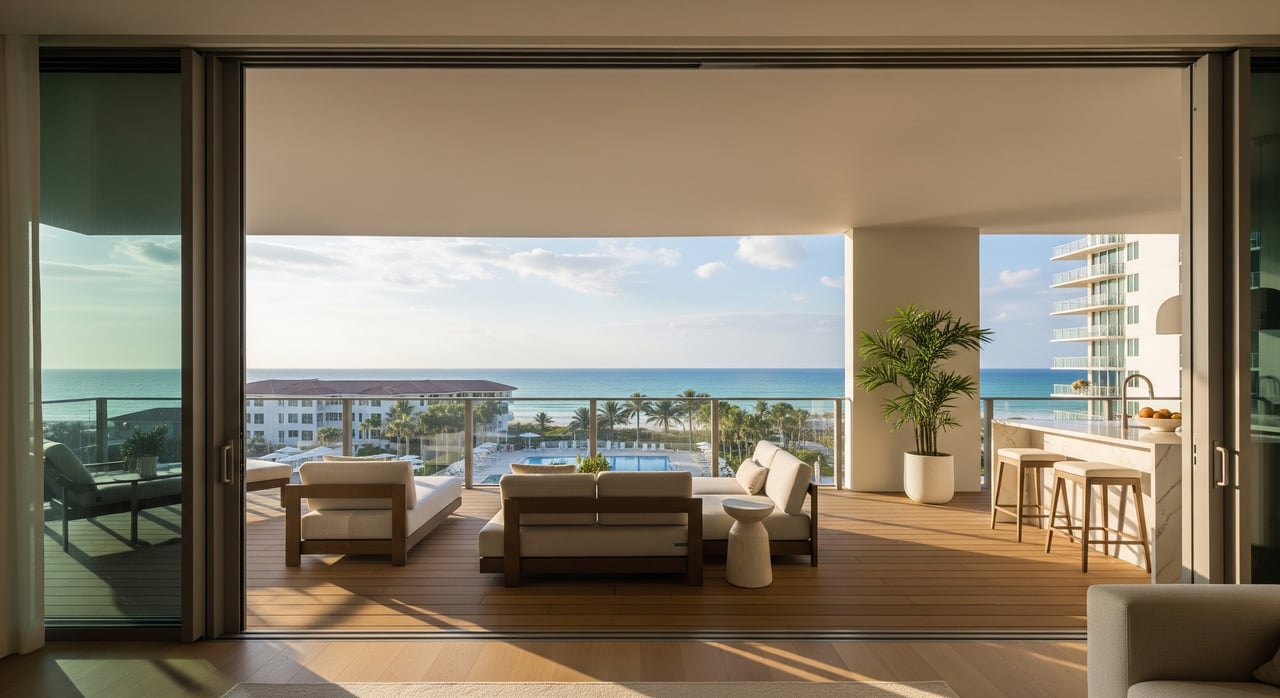
You can fall in love with the Gulf view in a heartbeat, but the condo association rules can make or break your Clearwater Beach lifestyle and returns. If you plan to live here part time, rent seasonally, or invest, the details in the HOA documents matter just as much as the floor plan. In this guide, you’ll learn the exact rules and records to review, the coastal risk factors to consider, and the red flags that deserve a closer look. Let’s dive in.
Why HOA rules matter on Clearwater Beach
Clearwater Beach sits in a high-demand vacation market with coastal exposure. That combination creates unique pressures on condo associations, from short-term rental policies to higher maintenance and insurance costs. Strong governance and clear rules protect your lifestyle, safety, and resale value.
Florida condominiums are governed by the Florida Condominium Act, and associations have defined duties to budget, maintain records, and hold meetings. Recent state reforms after the Surfside tragedy added inspection and reporting requirements for many buildings. On the beach, you should verify whether your building is subject to those rules and whether the inspections and any required repairs have been completed.
Core documents you should secure and read
Governing documents
Ask for the Declaration of Condominium, Articles of Incorporation, Bylaws, and current Rules and Regulations. These set out what you can do with your unit, how the board is elected, meeting and voting procedures, and the everyday use policies like noise, parking, and amenity rules. If you plan to renovate, keep pets, or rent, the declaration and rules will tell you what is allowed.
Budgets, financials, and reserves
Request the current annual budget and the last two to three years of budgets and financial statements. Review the reserve study and the association’s reserve funding policy. Healthy reserves reduce the chance of surprise special assessments, which are more likely in coastal buildings where concrete restoration and waterproofing cycles are expensive.
Insurance coverage and deductibles
Obtain summaries of the association’s master insurance policies and the certificate of insurance. Confirm wind and hurricane coverage, and whether separate flood coverage applies. Ask how large deductibles are allocated to owners after a storm. Understand what you must insure inside the unit, and whether loss assessment coverage is recommended.
Estoppel, violations, and litigation
A resale or estoppel certificate confirms the seller’s account status, any fines, and pending amounts due. Also request disclosures on pending litigation. Lawsuits can bring sizable, unexpected costs that pass through to owners.
Inspections and engineering reports
For older or coastal towers, ask for milestone inspection reports, engineering assessments, roof and elevator records, and any structural repair plans. Look for evidence of corrosion, spalling, or deferred maintenance, and confirm the status and funding of any required remediation.
Rules to scrutinize before you buy
Rentals and short-term rentals
Confirm whether short-term rentals are allowed and the minimum lease term. Some Clearwater Beach buildings allow weekly rentals while others require several months or ban rentals entirely. Check for wait periods after purchase, owner-occupancy minimums, and any local licensing or registration requirements. Your plan must align with both association rules and local ordinances.
Assessments and collections
Study the current monthly assessment and any approved increases. Review the history of special assessments and whether more are being considered. Ask how the board handles delinquencies, late fees, and liens, and whether the community has had frequent foreclosures.
Reserves and capital planning
Look for a current reserve study and compare recommended funding to the actual reserve balance. In ocean-facing buildings, exterior restoration, balcony work, and waterproofing can be costly. Underfunded reserves are a key risk indicator for future special assessments.
Insurance essentials for owners
Clarify what the master policy covers and what you must insure. Many owners need a separate policy for interior finishes and personal property, and some choose loss assessment coverage for large deductibles. If the building is in a flood zone, you may also need flood insurance, often influenced by the building’s elevation certificate.
Pets, parking, storage, and amenities
Check pet rules, including size and number limits, and learn how service animal requests are handled. Confirm assigned parking, guest parking rules, storage lockers, and boat slip ownership or rental. Review amenity hours, guest access, and key fob policies.
Modifications and common-area control
If you plan to update windows, doors, or add hurricane shutters, confirm approval requirements, timelines, and permitted specifications. Know the rules for balcony use, grills, satellite dishes, and smoking.
Fines and dispute resolution
Ask for the fine schedule and the process the association follows before imposing penalties. Understand any alternative dispute procedures, including mediation or arbitration, that may apply under the governing documents or state law.
Governance and transparency
Review board election rules, quorum requirements, and how often membership meetings occur. Check record access policies and how quickly owners can obtain documents. Notes about management company stability and communication practices can help you gauge owner experience and predictability.
Coastal-specific checks in Clearwater
Flood risk and storm surge
Clearwater Beach buildings face variable flood and storm surge exposure. Request the property’s flood zone details and any available elevation certificate. Even when a lender does not require flood insurance, many coastal owners carry it due to risk.
Post-Surfside inspection regime
Florida now requires periodic milestone inspections for many condominiums, with earlier timelines for buildings near the coast. Confirm whether your building has completed required inspections and whether any structural or safety issues were found and addressed. Ask for licensed engineering reports and the funding plan for any required work.
Salt, wind, and building systems
Coastal salt air accelerates corrosion of concrete, steel, and mechanical systems like elevators. Review maintenance history for exterior waterproofing, balcony repairs, and paint or restoration cycles. Ask whether windows and doors meet current wind mitigation standards and whether shutter approvals are required before storm season.
Seawalls, dunes, and beach access
Clarify who is responsible for seawalls, dune stabilization, or shoreline maintenance. Those projects can be costly and are sometimes shared across multiple associations. Check rules on storing kayaks or watercraft and whether beach access is private or public.
Red flags that deserve a closer look
- No reserve study or materially underfunded reserves relative to upcoming projects.
- Recent or repeated special assessments, or a large new assessment that is approved but unpaid.
- High owner delinquency rate on dues, which may stress the budget and increase future fees.
- Pending litigation involving the association that could create uninsured liabilities.
- Required milestone inspections not completed, or significant structural items listed without a funded plan.
- Rapid board turnover, frequent management company changes, or poor transparency in minutes.
- Insurance premium spikes, high deductibles, or limited coverage for wind or flood.
- Rule changes under consideration that would conflict with your intended use, such as a tighter rental policy.
Buyer due diligence checklist
Documents to request
- Declaration, Bylaws, Articles, and Rules and Regulations
- Current annual budget, plus 2 to 3 prior years’ budgets and financials
- Reserve study and current reserve account balances
- Board and membership meeting minutes from the past 12 to 24 months
- Master insurance policy summaries and certificate of insurance, including deductibles
- Estoppel or resale certificate showing the unit’s account status and any violations
- Summary of pending litigation and any material legal opinions
- Engineering, structural, or milestone inspection reports and related repair plans
- Property management contract and manager’s contact details
- Records of special assessments over the past 5 years
- Rental and short-term rental policy, along with any local registration or license info
- Parking assignments, storage lockers, and boat slip records if applicable
Questions to ask
- Are special assessments planned or recently approved, and what are the payment timelines?
- What is the current reserve balance compared to the reserve study’s recommendation?
- What percentage of owners are delinquent on assessments?
- Has the building completed required milestone or structural inspections, and what were the findings?
- What does the master policy cover, and what are the wind and flood deductibles per incident?
- Are short-term rentals allowed, and what is the minimum lease term and any wait period after purchase?
- Are there any current violations or fines tied to the unit?
- What limits apply to unit renovations and interior modifications?
- Who is responsible for major components like elevators, the roof, and any seawall?
Smart contract contingencies
- Approval of condominium documents and financials within a defined review period
- Right to cancel if reserve studies or structural reports reveal material unfunded liabilities or safety issues
- Seller to deliver a current estoppel and clear any outstanding assessments or violations, if required
- Inspection contingency that allows structural or engineering review for older or coastal buildings
Professionals to engage
- Florida real estate attorney experienced in condominium law
- Inspector with coastal high-rise and condo expertise, and a structural engineer if warranted
- Insurance agent for wind, flood, and interior coverage guidance and quotes
- Local condo-savvy real estate advisor familiar with Clearwater Beach and rental rules
How to buy with confidence on Clearwater Beach
You can protect your lifestyle and your investment by reading the right documents, asking the right questions, and verifying structural and insurance details early. The best purchases happen when you match your goals to a building’s rules, financial strength, and maintenance plan.
If you want a boutique, white-glove approach for Clearwater Beach condos, including document review guidance, strategic due diligence, and access to on- and off-market opportunities, connect with the team that lives this market every day. Schedule your consultation with Evan & Ashley Pedone to move forward with clarity and confidence.
FAQs
Are short-term rentals allowed in Clearwater Beach condos?
- It depends on the building; some allow weekly rentals while others require longer leases or prohibit STRs, so verify minimum terms, wait periods, and any local registration rules before you buy.
What does a condo master insurance policy usually cover?
- The association’s master policy typically covers the building and common elements, while you insure interior finishes and personal property, and you may want loss assessment coverage for large deductibles.
What is a Florida condo milestone inspection?
- It is a state-required structural inspection for many buildings based on age and coastal proximity; ask for reports and confirm whether any recommended repairs are completed and funded.
How do special assessments work in Florida condos?
- Owners may be charged an extra amount to fund repairs or shortfalls, typically approved by the board or membership under the governing documents, with payment schedules set by the association.
Do I need flood insurance for a Clearwater Beach condo?
- Lenders may require it based on flood zone and elevation, and many owners choose it even when not required due to storm surge risk and potential out-of-pocket losses.
What should I look for in condo meeting minutes?
- Scan for upcoming projects, structural concerns, discussions about assessments, insurance changes, rule amendments, and signs of governance issues like frequent management turnover or owner disputes.