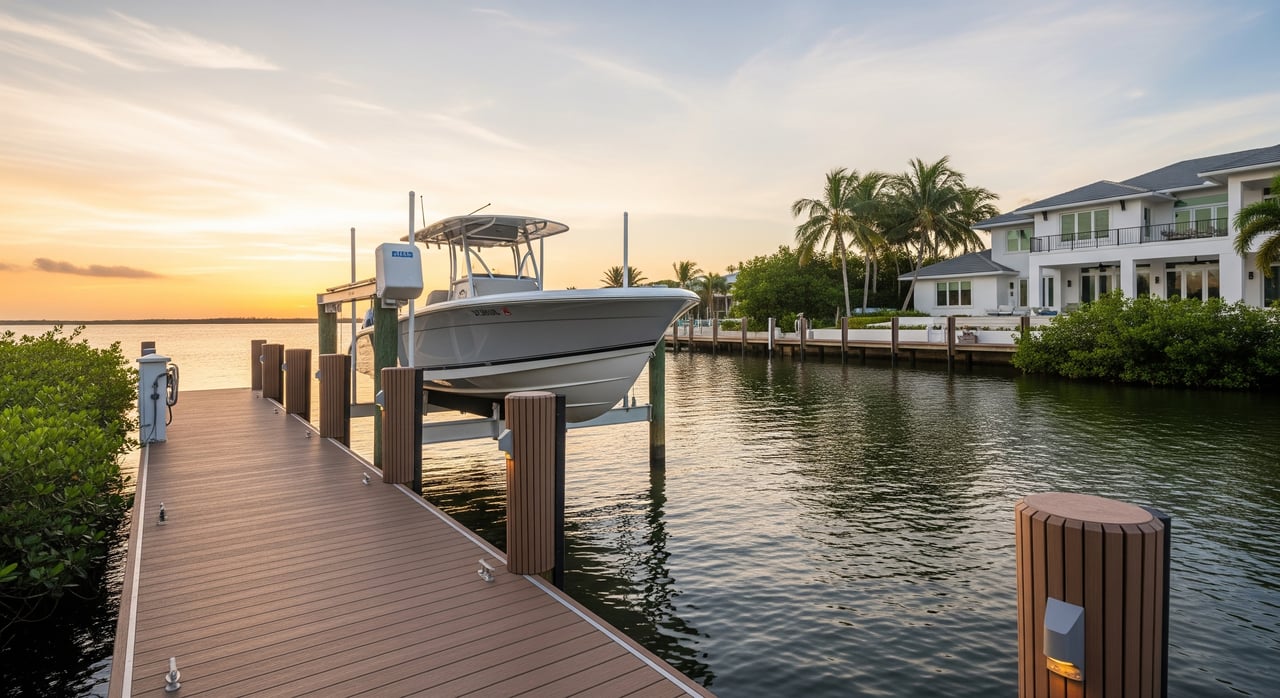
Thinking about adding a dock or lift to your Tierra Verde home? You’re not alone. With quick access to Boca Ciega Bay and the Gulf, a well-planned waterfront setup can elevate daily life and long-term value. The process can feel complex, from permits to environmental rules to storm-readiness. This guide breaks it down so you can plan with confidence and enjoy your boat, your views, and your peace of mind. Let’s dive in.
Tierra Verde waterfront basics
Tierra Verde’s canals and bays sit in a dynamic coastal zone. Tides, boat wakes, and shallow shoals shape what you can build and where you can place it. Many lots are near seagrass beds, and the area sees seasonal storms that influence design. You’ll also find local navigation lanes and no-wake areas that affect dock layout.
If your dock or lift extends waterward of the mean high-water line, you will likely need multiple approvals. Private covenants or HOA rules can also set design limits. Planning early helps you align your vision with local conditions, budget, and timelines.
Permits and approvals
Expect an iterative review that can include county, state, and federal agencies. Small, straightforward projects sometimes move quickly. Anything near seagrass or sensitive habitat can take longer.
Pinellas County requirements
Pinellas County handles local building and environmental permits for docks, lifts, and seawalls. They enforce floodplain and coastal rules, and may require environmental or coastal construction permits. Pre-application meetings with county staff can clarify surveys, site plans, and review timelines.
State of Florida authorizations
If your project extends waterward of the mean high-water line, the Florida Department of Environmental Protection typically requires Sovereign Submerged Lands authorization. The Florida Fish and Wildlife Conservation Commission may guide work windows and protected species practices, especially for manatees and shorebirds.
Federal review
Work in navigable waters can trigger U.S. Army Corps of Engineers authorization. Some small docks may qualify under general permits, but many need individual review or pre-construction notification. Plan for coordination among agencies to avoid delays.
HOA and deed rules
Many Tierra Verde communities have design committees or covenants. Obtain HOA approval before you apply for government permits. HOAs can restrict size, materials, or placement.
Fixed vs. floating docks
Choosing the right dock starts with site realities like depth, exposure, and boat traffic. Your long-term maintenance preferences and budget matter too.
Fixed docks
Fixed, piling-supported docks offer a stable platform that does not rise and fall as much with tides. They are a strong choice for shallow or moderate tides and active wake areas. They often cost more due to pilings and may require deeper embedment in soft soils.
Floating docks
Floating docks rise and fall with the tide, which helps with boarding. They can be cost-effective and less intrusive to the seabed at some sites. In channels with strong wakes or wave energy, they need robust anchoring and can feel more movement.
Modular systems and gangways
Modular, interlocking platforms can speed installation and make future changes easier. If you choose a floating system, a well-sized gangway that accounts for slope and tidal range is essential for safe access.
Boat lifts: types and selection
The right lift depends on your boat’s size, beam, weight, and the lowest water level at your site. Electrical access and maintenance access also matter.
- Cradle and vertical lifts: Popular for many center consoles and cruisers. Vertical or hydraulic systems help in shallower water and active wake areas.
- Cantilever and overhead lifts: Useful for specific hulls and dock layouts where overhead beams are feasible.
- Floating platform lifts: Drive-on platforms can be efficient, especially for PWCs and smaller boats.
Confirm capacity, clearance at low tide, and manufacturer maintenance schedules. Plan for a safe path to service winches, cables, and motors.
Materials that last in saltwater
Choosing the right materials improves longevity and lowers upkeep over time.
- Decking: Pressure-treated lumber is cost-effective. Composites and aluminum resist rot and reduce maintenance, though they cost more upfront. Tropical hardwoods offer strength but require thoughtful care.
- Pilings: Treated wood is common. Concrete or coated steel can add strength in demanding sites. Selection depends on soil type, load, and exposure.
- Hardware: Stainless steel resists corrosion best in marine environments. Hot-dipped galvanized components are common and budget-friendly but may need more frequent replacement.
Site and design factors
A site assessment prevents surprises later and guides the right design from day one.
- Water depth: Measure at mean low water and at the lowest expected tide to size dock height and lift clearance.
- Seabed: Sand, shell, and muck each affect pile length, diameter, and cost. Soft soils often mean deeper embedment.
- Exposure: Wind fetch and boat wakes drive decisions on pile spacing, bracing, and dock elevation.
- Navigation: Respect setbacks from channels and rights-of-way for safety and compliance.
- Utilities: Plan marine-grade electrical for lifts, pumps, and lighting. Ensure proper grounding and code compliance.
- Safety: Add non-slip decking, ladders, handrails where appropriate, and clear sightlines for night use.
Storm-readiness by design
Hurricanes shape design in Tierra Verde. Smart choices up front reduce risk and insurance headaches.
- Elevation and embedment: Set dock height and pile depth to handle surge and waves.
- Removable sections: Consider lift-off deck panels or removable lift components before storm season.
- Materials and connections: Favor corrosion-resistant parts and redundant connections to handle dynamic loads.
- Storm plan: Decide how and when to secure or remove boats and lift gear when warnings are issued.
Environmental and wildlife protections
Tierra Verde’s waters support seagrass, manatees, and nesting sea turtles. Your design and construction plan should protect these resources.
- Seagrass: Shading or disturbance can trigger mitigation. Elevated, narrower walkways and open-grate decking help reduce shading.
- Manatees: Follow best practices during construction and operation to avoid strikes and disturbance.
- Sea turtles and lighting: During spring through fall nesting season, use turtle-friendly lighting that is shielded, low-intensity, and amber in color where required.
- Turbidity control: Use silt curtains and stage work to keep water clear, as often required by permits.
Designing with these in mind not only helps approvals. It also keeps the natural beauty that drew you to Tierra Verde in the first place.
Costs, timelines, and insurance
Budgets vary with length, materials, soil, exposure, and permit complexity. Local labor and access for equipment also affect pricing.
- Docks: Small, simple fixed docks often land in the low tens of thousands. Floating or modular systems typically fall in the mid-to-high tens of thousands depending on size and hardware.
- Lifts: Many residential lifts start in the single-digit thousands. Larger vertical or hydraulic systems can reach into the tens of thousands.
- Extras: Seawall repairs, dredging, or seagrass mitigation can add significantly.
Permitting can take weeks for simple projects and several months for complex ones with state or federal review. Build permit fees and state land authorizations vary. Pre-application discussions help pinpoint studies you may need, like bathymetry or a seagrass survey.
On insurance, confirm whether your homeowners policy covers docks and lifts or needs an endorsement. Boat insurers may require certain lift specs. Always request contractor proof of general liability and workers’ compensation. Add lighting, non-slip surfaces, and life rings to reduce liability risk.
If you prefer to finance, many owners use cash or a home equity line of credit. Ask your lender how waterfront structures factor into collateral and loan terms.
Contractor selection made simple
Marine work is specialized. Choose a partner with local experience and clear communication.
What to verify:
- Licensing: Confirm Florida and local licensing for marine construction.
- Insurance: Require certificates for general liability and workers’ comp.
- Local portfolio: Ask for recent Tierra Verde or Pinellas projects with references.
- Detailed bids: Request itemized, written proposals that include permitting services, materials, and timeline.
- Warranties: Clarify coverage on materials and workmanship.
- Storm approach: Understand how they design for wake and hurricane exposure and what post-storm services they offer.
Questions to ask:
- Can you manage all county, state, and federal permits and required surveys?
- What is the critical path to completion, including approvals and lead times?
- Which materials do you recommend for my site and why?
- How will you minimize environmental impacts during construction?
Pre-construction checklist
Assemble these items early to streamline reviews and bids:
- Property survey with mean high-water line and boundaries
- Deed, easements, and any HOA or architectural rules
- Photos and any available depth soundings at your shorefront
- Boat specs: length, beam, draft, and weight
- Budget range, target timeline, and storm-prep plan
- County and environmental reviewer contact details
Maintenance and safety
Waterfront structures live in a harsh environment. A simple plan keeps things shipshape and safe.
- Annual inspections: Check pilings, fasteners, decking, and all lift components. Replace corroded hardware before it fails.
- Lift service: Inspect cables or straps and motors as recommended by the manufacturer.
- Marine growth: Clean regularly and monitor wood for borers or rot.
- Electrical checks: Ensure proper marine grounding and code compliance.
- After storms: Inspect pilings, underwater connections, and lift gear before resuming normal use.
A proactive routine extends life and protects your investment.
Your path forward
A well-designed dock and lift in Tierra Verde starts with a site-smart plan, the right permits, and a contractor who knows our waters. When you design for depth, wakes, wildlife, and storms, you get a setup that works day-to-day and stands up to the season.
If you’re weighing upgrades for resale or planning a new build, we can connect you with trusted local marine pros and advise on features buyers value. For tailored guidance on waterfront living and your next move, reach out to Evan & Ashley Pedone.
FAQs
What permits do I need for a Tierra Verde dock or lift?
- Most projects need Pinellas County building and environmental permits, state authorization to use sovereign submerged lands if waterward of the mean high-water line, and possibly U.S. Army Corps of Engineers review for work in navigable waters.
How long does dock and lift permitting take in Pinellas County?
- Straightforward projects can be approved in weeks, while designs near seagrass or protected species often take several months due to state and federal coordination.
Do I own the seabed in front of my Tierra Verde home?
- In Florida, submerged lands seaward of the mean high-water line are generally sovereign lands, so you need authorization for permanent structures over that area.
Can my Tierra Verde HOA limit or deny a dock?
- Yes. Many communities have covenants or architectural review that can restrict size, materials, or placement, so obtain HOA approval before applying for government permits.
What are typical costs for a residential dock and lift?
- Small fixed docks often start in the low tens of thousands; floating or modular systems land in the mid-to-high tens of thousands; many residential lifts start in the single-digit thousands and can reach into the tens of thousands for larger systems.
How do I design my dock to protect seagrass and wildlife?
- Use elevated, narrower walkways, open-grate decking to reduce shading, observe manatee-safe practices during construction, and install turtle-friendly lighting during nesting season.
What should I ask a marine contractor before I sign?
- Verify licensing and insurance, request local references, insist on an itemized bid including permitting, clarify warranties, and ask how they will design for wake, hurricane exposure, and environmental compliance.