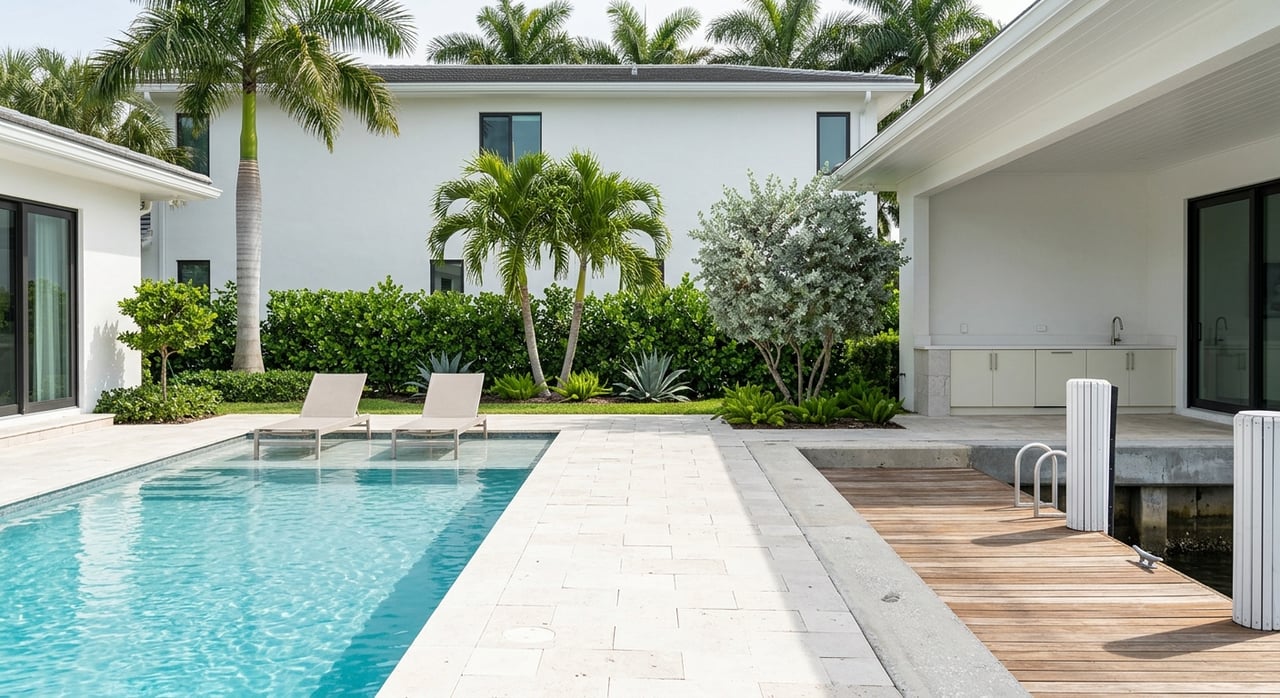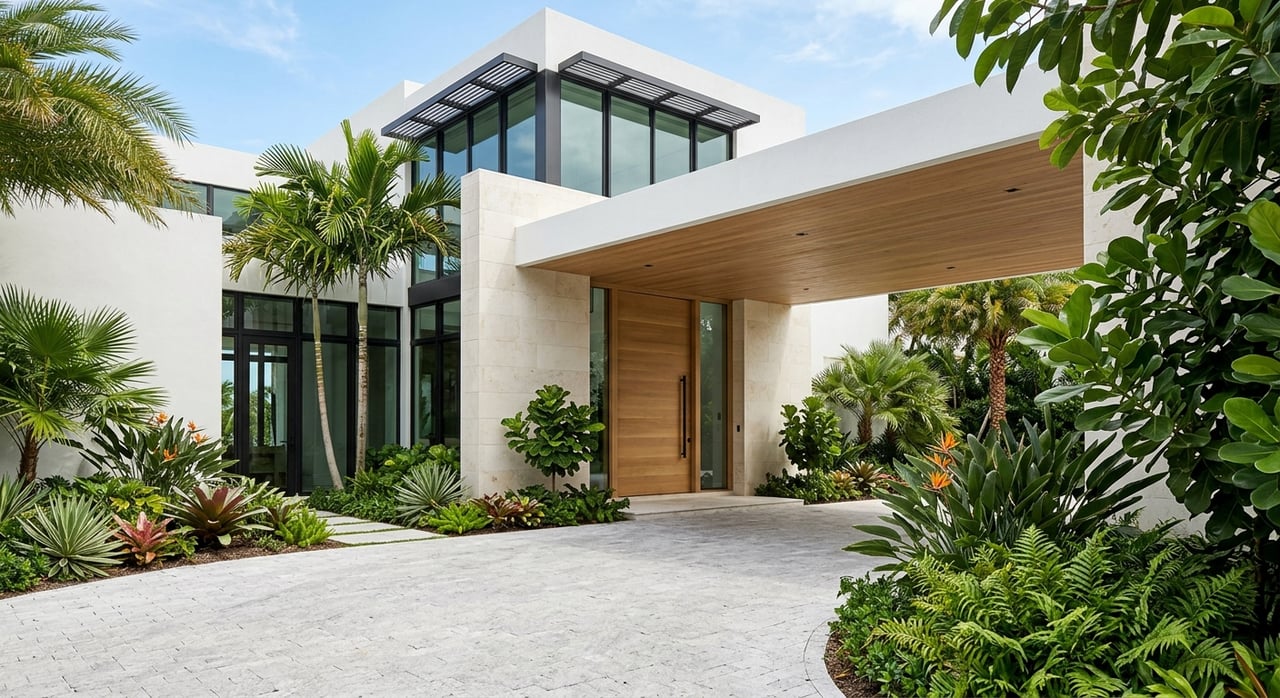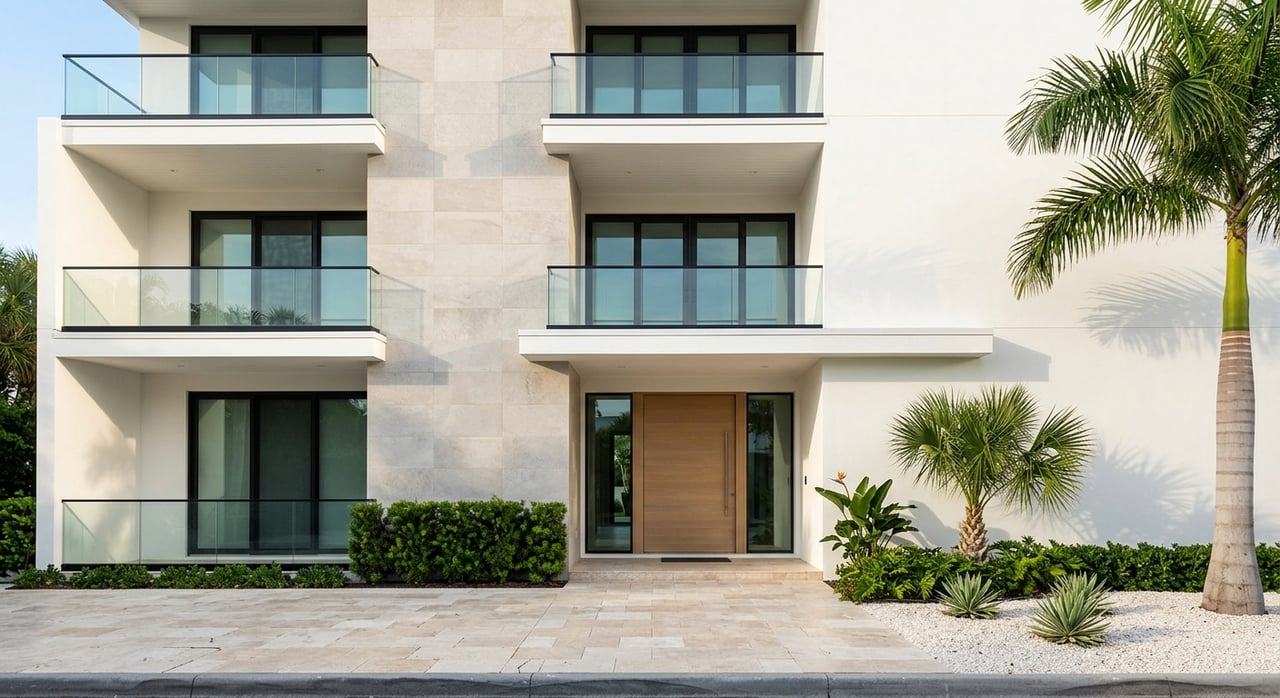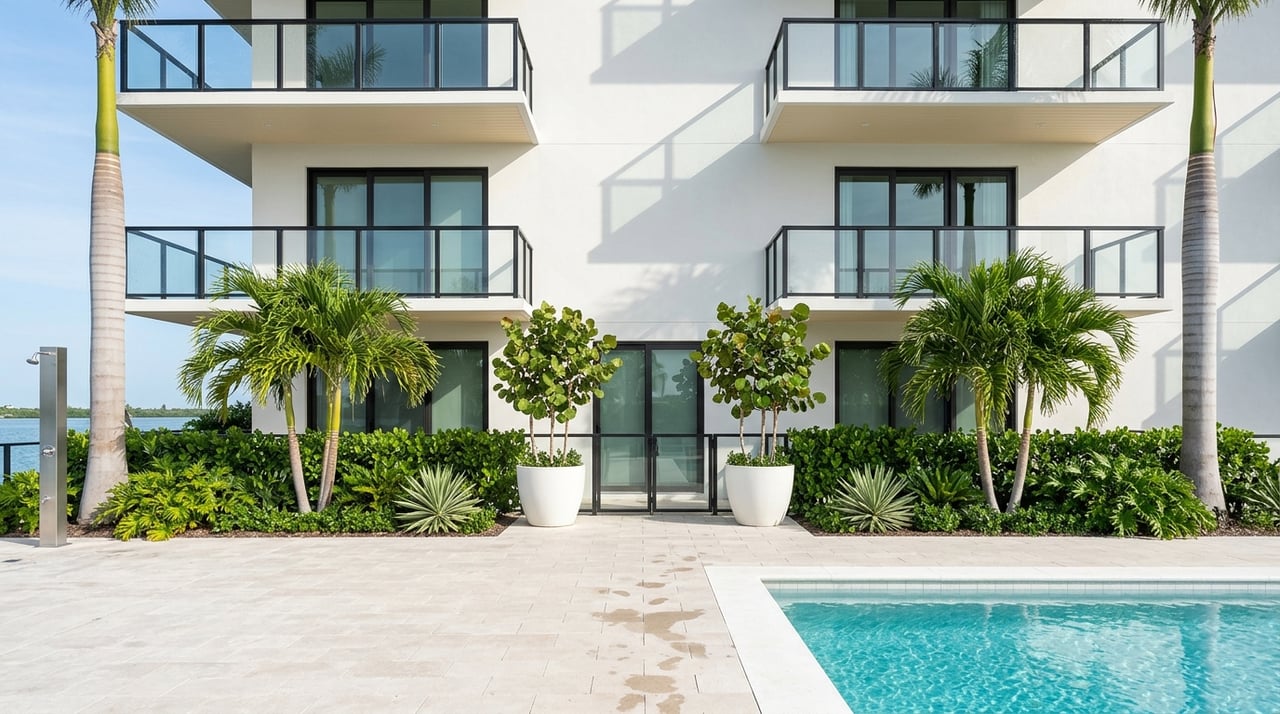
If you are choosing between a waterfront condo and a single-family home in Snell Isle, the right answer usually comes down to how you want to live on the water. Some buyers want a more turnkey setup with fewer day-to-day responsibilities, while others want more privacy, more control, and better odds of private dock access. In this guide, you will see how the two property types compare in Snell Isle so you can weigh maintenance, boating, flood exposure, insurance, and long-term ownership fit with more confidence. Let’s dive in.
Why Snell Isle Makes This Choice Important
Snell Isle is one of St. Petersburg’s most water-oriented neighborhoods, and that setting shapes the ownership experience in a real way. City material describes the Snell Isle watershed as roughly 700 acres, and notes that flooding can occur along Snell Isle Blvd NE and Appian Way when high tides line up with heavy rain.
That does not mean every property carries the same level of risk. Pinellas County explains that evacuation zones are based on storm surge risk, while flood zones are FEMA risk maps, so buyers should evaluate flood exposure on a parcel-by-parcel basis rather than assume all addresses are the same.
The lifestyle draw is easy to understand. Pinellas County’s Blueways guide highlights routes from Crisp Park that follow the residential coastline of Snell Isle toward Tampa Bay, which reinforces the neighborhood’s boating and waterfront appeal.
Waterfront Condos at a Glance
A waterfront condo in Snell Isle often appeals to buyers who want a more managed ownership experience. Under Florida condominium law, the association is generally responsible for maintaining common elements, except for limited common elements assigned to a unit owner by the declaration.
In practical terms, that can make condo ownership feel more streamlined day to day. Exterior building upkeep and many shared systems are typically handled through the association, but the tradeoff is that you have less direct control over the property and its shared components.
Condo Pros
- Lower day-to-day maintenance burden for many exterior and shared areas
- A more turnkey fit for part-time owners or buyers who travel often
- Shared management of common property and building systems
- Possible access to waterfront amenities without owning the entire shoreline parcel
Condo Tradeoffs
- Less privacy than a detached home
- More shared decision-making through the association
- Monthly dues and the possibility of special assessments
- Dock, marina, and waterfront-use rights may be limited by the condo documents
Single-Family Waterfront Homes at a Glance
A single-family waterfront home in Snell Isle usually offers more autonomy. You typically have more direct control over the parcel, the exterior, and how you use your outdoor space, although HOA rules may still apply if the property is in a homeowners association.
Florida law gives HOAs authority over covenants, architectural review, assessments, and special assessments, but only to the extent stated in the recorded declaration. So while a detached home usually gives you more flexibility than a condo, it does not automatically mean unlimited freedom to modify the exterior, shoreline, or storm-protection features.
Home Pros
- More privacy and separation from neighbors
- Greater control over the site and outdoor living areas
- Better odds of private dock potential
- More flexibility for customization, subject to recorded rules and permits
Home Tradeoffs
- More direct responsibility for maintenance and repairs
- Greater oversight needed for shoreline features like docks, seawalls, or lifts
- Potential HOA restrictions depending on the community documents
- Flood planning and insurance can still be significant cost factors
Maintenance and Control
For many buyers, the biggest difference is simple: who handles what. In a condo, the association is responsible for maintaining the common elements and other condominium property it is assigned to maintain, repair, and replace.
That can be appealing if you want a lower-maintenance ownership style. It can also be appealing if you split time between homes and prefer a property that feels easier to lock and leave.
A single-family home shifts more of that responsibility onto you. You may enjoy more direct control over the structure, the lot, and any waterfront improvements, but you also take on more planning, coordination, and expense when upkeep is needed.
Docks and Boating Access
If boating is central to your lifestyle, this may be the deciding factor. Dock access is often one of the clearest differences between Snell Isle waterfront condos and single-family homes.
Pinellas County requires permits for private single-family docks, multi-use docks, commercial docks, marinas, seawalls, riprap, tie poles, and all dredging or filling within county waters, including projects inside municipal limits. So even if a single-family home sits on the water, you should not assume you can make shoreline changes without approvals.
With condos, boating access is usually document-driven. Florida’s condo disclosure rules require the developer to include any local acceptance or approval for dock or marina facilities intended to serve the condominium, or a statement that no approval has been obtained.
That matters because a condo dock may be a common element, a limited common element, a separately assigned amenity, or may not exist at all. The practical takeaway is that a single-family home usually offers better odds of private dock potential, while a condo can offer easier access to the water only if the community was actually designed for it.
Questions to Ask About Waterfront Features
- Is there a dock, slip, lift, or seawall tied to the property?
- Is the dock use private, shared, or limited to certain owners?
- Who is responsible for maintenance and repair?
- Were the improvements properly permitted?
- Are there any restrictions on boat size, use, or storage?
Flood Risk and Insurance
In Snell Isle, flood planning should be part of your decision no matter which property type you prefer. Pinellas County states that everyone lives in some flood risk area, and it also emphasizes that flood zones and evacuation zones are different tools.
Flood zones relate to FEMA mapping, while evacuation zones are based on storm surge risk. That means you should verify both for the exact address rather than rely on neighborhood-level assumptions.
Flood insurance may also be a required expense. Flood insurance is required when a property is in a Special Flood Hazard Area and the buyer has a government-backed mortgage, and it may still be worth considering even outside the highest-risk zones.
For single-family home buyers, the focus is often on the structure, site, and shoreline exposure. For condo buyers, flood and resilience questions also connect to the building’s condition and the association’s financial readiness.
Condo Financial Due Diligence Matters More Than Ever
Condo buyers in Florida should expect a deeper review process than many home buyers realize. State law requires disclosure of key documents, including the declaration, articles, bylaws, rules, annual financial statement, and budget.
When applicable, buyers should also receive milestone inspection summaries, structural integrity reserve study materials, and turnover inspection reports. According to the Florida Department of Business and Professional Regulation, residential condo buildings that are three or more habitable stories are subject to milestone inspection timing rules and structural integrity reserve study requirements.
This is not just paperwork. If a reserve study shows insufficient funding for future major repairs, DBPR notes that an association may need special assessments, loans, or lines of credit to stay compliant with the reserve schedule.
That is why dues history, reserve funding, and recent or expected assessments deserve close attention in waterfront buildings. A condo that feels turnkey on the surface may still come with important financial questions behind the scenes.
Which Property Type Fits Your Lifestyle?
A waterfront condo often makes sense if you want a lower-maintenance setup and are comfortable with shared governance. It can be a strong fit for part-time owners, buyers who travel often, or anyone who values convenience over maximum control.
A single-family waterfront home often makes more sense if privacy, customization, and outdoor autonomy matter most to you. If you picture spending time on the dock, managing your own waterfront improvements, or shaping the property around your lifestyle, a detached home may be the better fit.
Neither option is universally better. In Snell Isle, the better choice is the one that matches how you want to use the property, how much responsibility you want to carry, and how carefully the waterfront details check out during due diligence.
A Smart Snell Isle Buying Checklist
Before you move forward on either property type, make sure you verify the details that matter most.
- Confirm the exact flood zone for the property
- Confirm the evacuation zone for the property
- Review all governing documents carefully
- Ask for the current budget and any history of special assessments
- Verify whether a dock, seawall, or lift is permitted
- Confirm who maintains any waterfront improvements
- For condos, review reserve studies and any milestone inspection summaries if applicable
- For a primary residence, evaluate whether homestead exemption may apply
For full-time Florida residents, there may also be a property tax planning angle. Pinellas County says homestead exemption is available to bona fide Florida residents who occupy the property as their permanent home, and the Save Our Homes cap can limit annual assessed-value increases on homesteaded property to 3 percent or CPI, whichever is lower.
Final Thoughts on the Snell Isle Decision
Choosing between a Snell Isle waterfront condo and a single-family home is really a choice between two very different ownership experiences. One may offer easier day-to-day living and shared maintenance, while the other may offer more privacy, control, and stronger private boating potential.
The key is to look past the view alone. When you compare the documents, dock rights, maintenance responsibilities, flood exposure, and financial obligations side by side, the better fit usually becomes much clearer.
If you want a discreet, high-touch advisor to help you evaluate waterfront opportunities in Snell Isle and across greater St. Petersburg, connect with Evan & Ashley Pedone.
FAQs
What is the main difference between a Snell Isle waterfront condo and a single-family home?
- A waterfront condo usually offers a more managed, lower-maintenance ownership experience, while a single-family home usually offers more privacy, control, and direct responsibility for the parcel and exterior.
Do Snell Isle waterfront homes automatically include private dock rights?
- No. Pinellas County requires permits for docks, seawalls, dredging, filling, and related shoreline work, so buyers should verify approvals, ownership status, and maintenance obligations before assuming private dock use.
How do dock rights work in Snell Isle waterfront condos?
- Dock rights in a condo are typically controlled by the condominium documents, and a dock may be a common element, limited common element, shared amenity, or not part of the property at all.
Why should condo buyers in Snell Isle review reserve studies and inspections?
- In applicable Florida condo buildings, milestone inspections and structural integrity reserve studies can affect future costs, and insufficient reserve funding may lead to special assessments, loans, or lines of credit.
Are flood zones and evacuation zones the same in Snell Isle?
- No. Pinellas County says flood zones are FEMA risk maps, while evacuation zones are based on storm surge risk, so buyers should verify both for the exact address.
Can you claim homestead exemption on a Snell Isle condo or single-family home?
- Yes, if the property is your permanent Florida residence and you meet Pinellas County’s requirements, homestead exemption may apply to either property type.