Selling a waterfront home in Snell Isle is not like selling just any property. Buyers in this market notice presentation fast, and they often ask detailed questions about flood risk, insurance, permits, and the condition of outdoor features before they ever make an offer. If you want to make a strong first impression and avoid preventable surprises, the right prep work can protect your price and smooth out the sale process. Let’s dive in.
Why Snell Isle prep matters
Snell Isle is a high-value waterfront market where condition and presentation carry real weight. Recent market data shows a median sale price of $1.2 million in March 2026, up 11.7% year over year, while waterfront listings showed a median listing price of $1.58 million and a median 57 days on market.
In a market like this, buyers tend to expect a home that feels well cared for and ready to enjoy. That does not always mean a major renovation. More often, it means visible upkeep, clean marketing materials, and clear documentation that answers waterfront-specific questions early.
Start with the waterfront basics
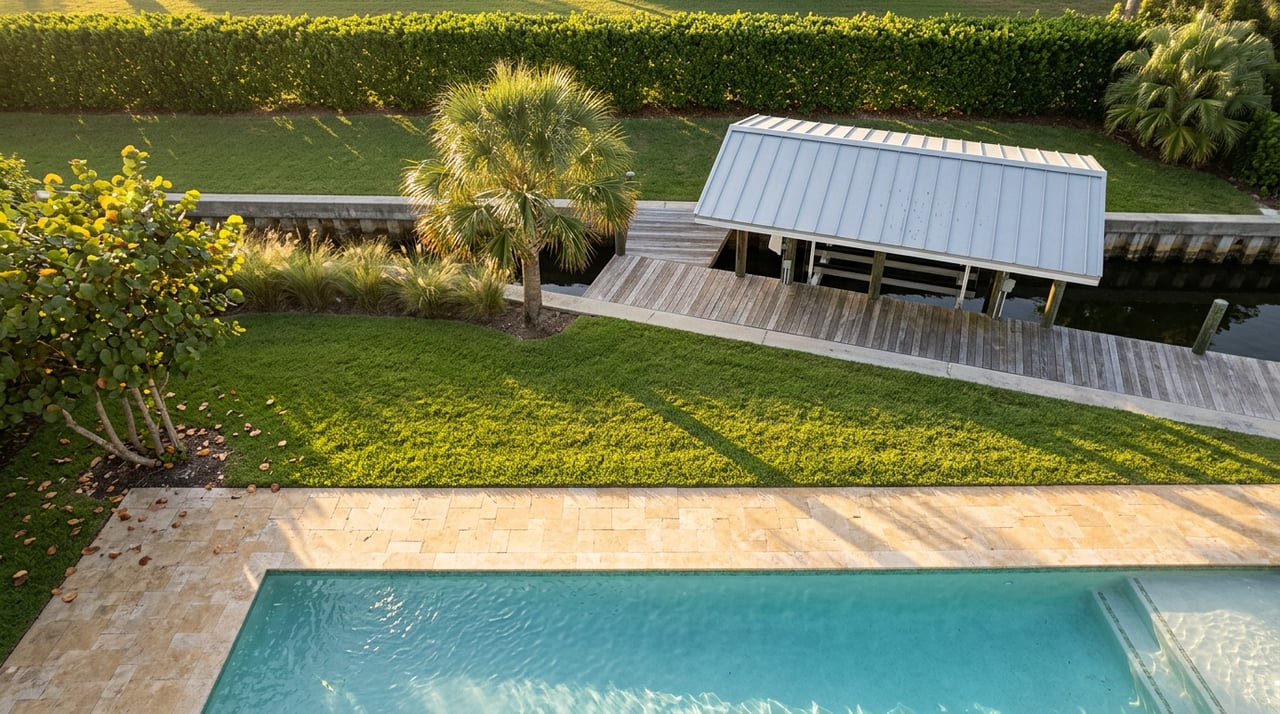
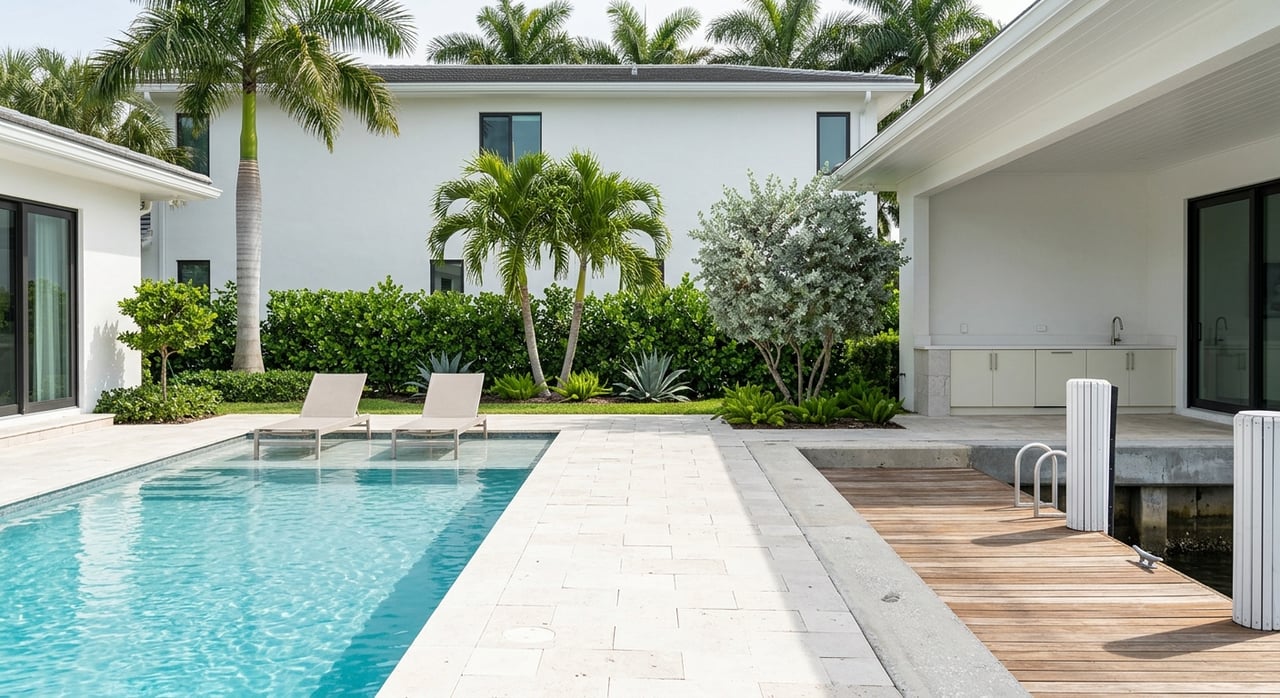
Before you think about staging or photography, focus on the features that make your property different from an inland home. On Snell Isle, that usually means the dock, seawall, lift, pool deck, lanai, and the overall view corridor to the water.
Your goal is to make the property feel calm, functional, and easy to maintain. Buyers should be able to walk from the street to the water’s edge and see consistent care the whole way through.
Clean every exterior surface
Waterfront homes show wear faster because of sun, moisture, and salt air. Pressure-washed walkways, clean pool decking, spotless glass, and working exterior lights can make a major difference in how your home photographs and shows in person.
This is also the time to straighten outdoor furniture, remove unnecessary planters or décor, and clear away anything that blocks the water view. Buyers are not just buying square footage. They are buying the full waterfront experience.
Refresh landscaping and curb appeal
Simple landscaping work can go a long way. Trim overgrowth, define beds, remove dead plantings, and make sure the entry feels tidy and welcoming.
Research on staging points to decluttering, whole-home cleaning, and curb appeal as some of the most common and most effective pre-listing improvements. For a Snell Isle waterfront home, that usually means clean sightlines from the driveway all the way to the seawall.
Gather flood documents before listing
One of the biggest mistakes waterfront sellers make is waiting until a buyer asks for documents. In Pinellas County, flood questions come up early for good reason.
The county says everyone in Pinellas is in a flood zone, and flood zones are different from hurricane evacuation zones. It also notes that FEMA maps identify high-risk A and V zones, wave action is expected in V and Coastal A areas, and flood risk can change over time.
Expect flood questions early
Many buyers will want to know:
- What flood zone the property is in
- What evacuation zone applies to the home
- Whether the home or lot has ever flooded
- Whether there were prior flood claims or assistance
- Whether an elevation certificate is available
- What current flood insurance may cost
- Whether drainage or mitigation work has been done
Florida law also requires a seller to provide a flood disclosure to the buyer at or before contract execution. That form asks about prior flood claims and flood assistance and reminds buyers that standard homeowners insurance does not cover flood damage.
Build a pre-list document packet
Having a clean document packet ready can build trust and reduce back-and-forth once your home hits the market. Useful items to gather include:
- Prior permits for dock, seawall, lift, and enclosure work
- An elevation certificate, if available
- Current flood insurance declarations
- Current homeowners insurance declarations
- Prior flood-loss, claim, or mitigation records
- A recent survey or site plan showing the water edge and structures
When buyers can review this information early, they often feel more confident moving forward. It also helps keep the listing process organized once inspections and underwriting begin.
Verify docks, seawalls, and permits
A waterfront sale often rises or falls on details buyers cannot fully see in photos. That is why permit review matters before listing, not after inspection.
St. Petersburg’s permit guidance says a permit is required for work that constructs, enlarges, alters, repairs, moves, demolishes, or changes a structure. The city also flags that flood-zone projects may be subject to substantial-improvement rules, even when some work might otherwise seem minor.
Check visible waterfront improvements
If you have made updates over the years, now is the time to confirm the record supports what a buyer will see. Focus on items like:
- Dock construction or repair
- Seawall or bulkhead work
- Boat lift installation or replacement
- Deck changes
- Enclosures or exterior structural updates
- Dock-related gates or fencing
City code also regulates docks and seawalls, including size, setback, and conditions that could create hazards or impede navigation. The safest move is to confirm that the visible improvements match the permit history before the home goes live.
Be careful with major pre-list renovations
It can be tempting to tackle a larger project before selling, especially if you want a fresher look. But in flood-prone areas, major work may trigger extra rules.
Pinellas County notes that if remodeling costs reach half of the original structure’s value, the project may trigger elevation requirements above the regulatory flood level. That is a key reason to verify cost thresholds and permit implications before starting a large renovation.
Stage for lifestyle, not clutter
Waterfront buyers want to picture immediate enjoyment. Your staging should help them imagine boating, dining outside, relaxing by the pool, or entertaining by the water without feeling like the home is over-styled.
National staging research found that 83% of buyers’ agents said staging makes it easier for buyers to visualize a property as a future home. The same guidance points to neutral colors, simplified décor, and removing bulky furniture.
Focus on outdoor living areas
In a Snell Isle waterfront home, outdoor spaces deserve as much attention as the interior. Prioritize:
- A clean, open lanai
- Edited pool deck furniture
- Clear walking paths to the dock
- Uncluttered water views
- Fresh cushions or linens where needed
- A welcoming front entry
The goal is not to fill every space. It is to show how easily the home supports waterfront living.
Keep interiors light and simple
Even if the water is the headline feature, your interior still needs to support the story. Neutral tones, reduced furniture, fresh bedding, and uncluttered surfaces help buyers focus on light, layout, and views.
If a room feels crowded or visually heavy, it can compete with the very feature that makes the home special. In many cases, subtracting is more powerful than adding.
Invest in media that matches the price point
In a presentation-sensitive market, strong visuals are essential. Buyers often form their first opinion online, and waterfront homes need media that captures not just the house but also its setting.
Staging research found that photos were the most important listing asset, followed by videos and virtual tours. For a waterfront property, that supports using professional photography, video, and, when appropriate, drone coverage to show the relationship between the home, outdoor spaces, and the water.
Show the full property story
The best listing media should highlight:
- Street presence and entry
- Main living spaces with water views
- Lanai and pool flow
- Dock, lift, and boat access
- The scale of the lot and water frontage
- The connection between indoor and outdoor living
This is where polished execution matters. At the upper end of the market, buyers expect visuals that feel refined, accurate, and easy to understand.
Avoid misleading presentation
While your marketing should look polished, it should also stay faithful to the property. Staging guidance notes that if photo enhancements materially change the property, they should be disclosed.
That is especially important with waterfront homes, where buyers may pay close attention to shoreline condition, dock features, and view lines. Clean and elevated is good. Misleading is not.
Prioritize repairs buyers will notice
If you are deciding where to spend money, visible maintenance often delivers more value than broad remodeling. Research supports focusing on cleaning, decluttering, curb appeal, and targeted staging rather than assuming a large renovation is necessary.
For waterfront homes, practical repairs often matter most. A sticking slider, worn exterior paint touch-up, damaged dock board, cloudy glass panel, or nonworking light fixture can create doubts that spread far beyond the item itself.
Create a smoother sale from day one
The strongest Snell Isle waterfront listings usually have two things in common: they show beautifully, and they answer key questions before buyers have to chase information. That combination can help your home stand out in a market where expectations are high and due diligence is more detailed.
If you are preparing to sell, think beyond surface-level cleanup. A thoughtful plan for presentation, documents, permits, and marketing can put you in a much stronger position when your listing launches.
When you are ready for a tailored selling strategy, Evan & Ashley Pedone bring boutique guidance, high-caliber visual marketing, and concierge-level support designed for Tampa Bay’s waterfront market.
FAQs
What should you do first before selling a Snell Isle waterfront home?
- Start with visible exterior maintenance and document gathering. Clean the property, declutter the outdoor areas, and collect flood, insurance, survey, and permit records before listing.
What flood information do buyers ask for on a Snell Isle waterfront home?
- Buyers commonly ask about the property’s flood zone, evacuation zone, flood history, prior claims, elevation certificate, drainage issues, and current flood insurance.
What permits should you check before listing a waterfront home in St. Petersburg?
- Review permits for dock work, seawall or bulkhead repairs, lifts, deck changes, enclosures, and other visible exterior structural updates tied to the waterfront.
What improvements help a Snell Isle waterfront home show better?
- Cleaning, pressure washing, pruning landscaping, simplifying décor, refreshing outdoor seating, clearing view corridors, and making sure lights and exterior features are working can all help.
Should you remodel before selling a waterfront home in Pinellas County?
- Not always. Visible maintenance and strong presentation are often better pre-listing investments, and larger renovations may trigger added flood-zone and permit considerations depending on the scope and cost.