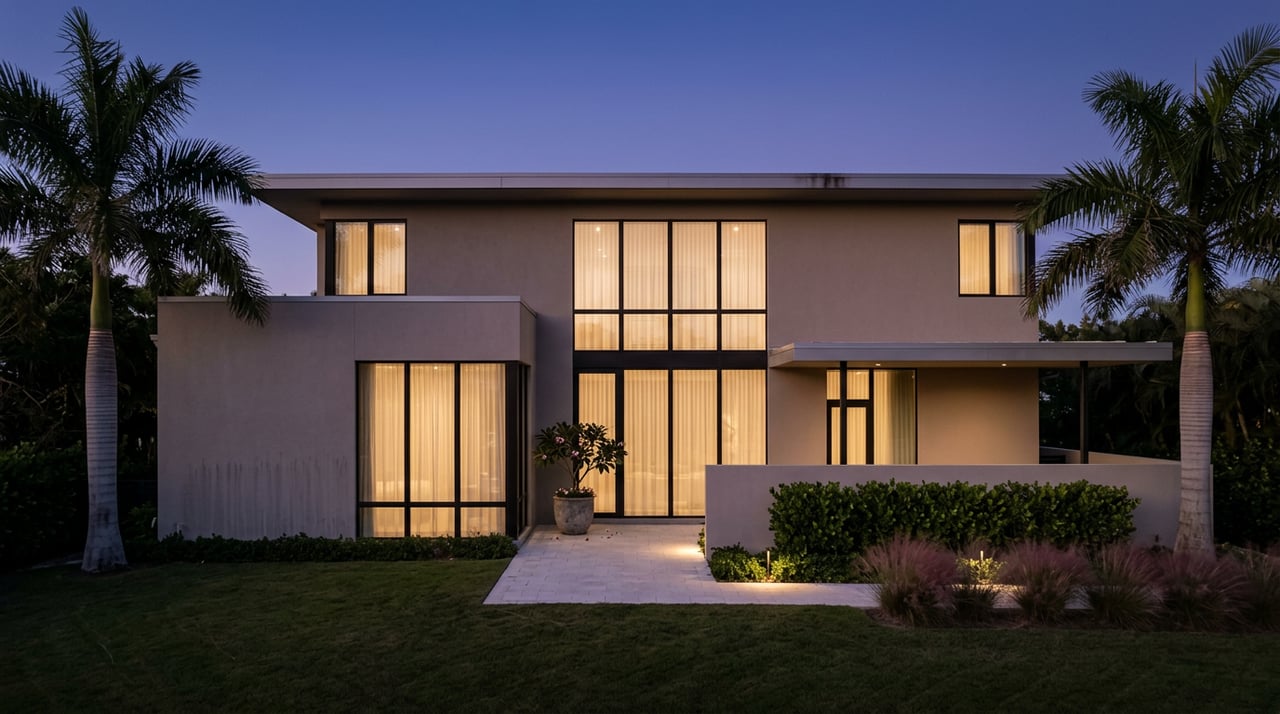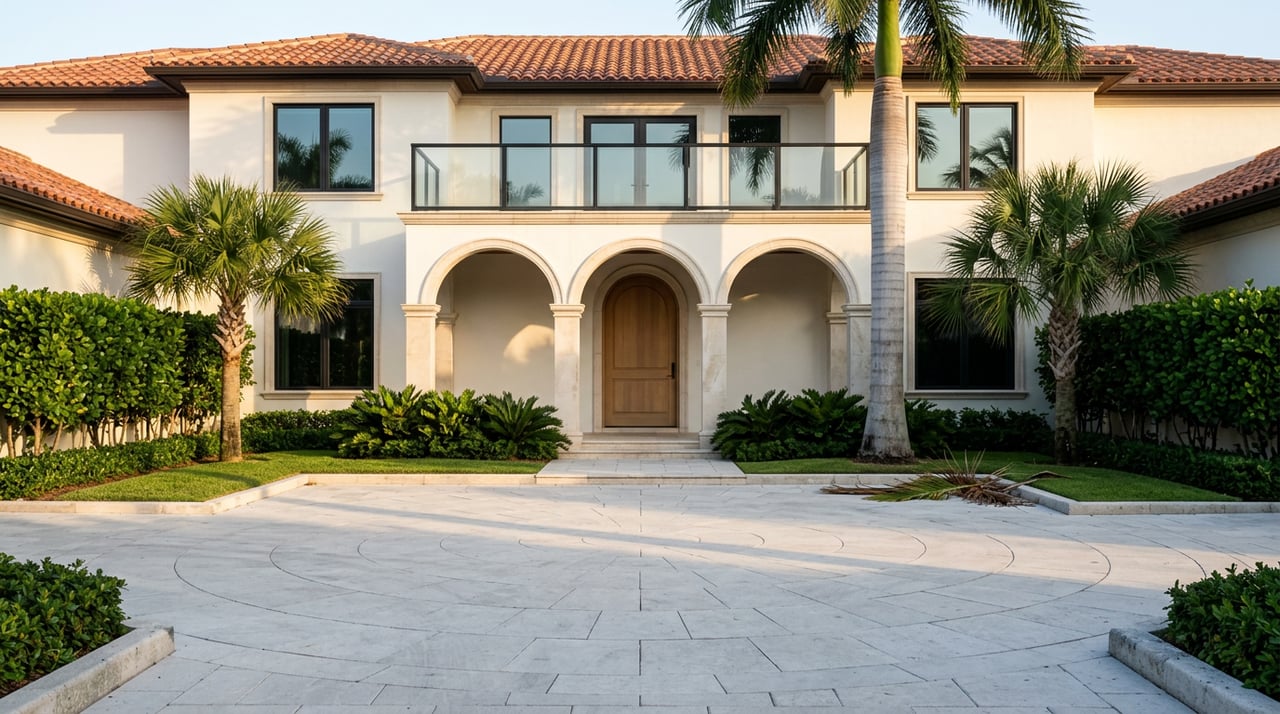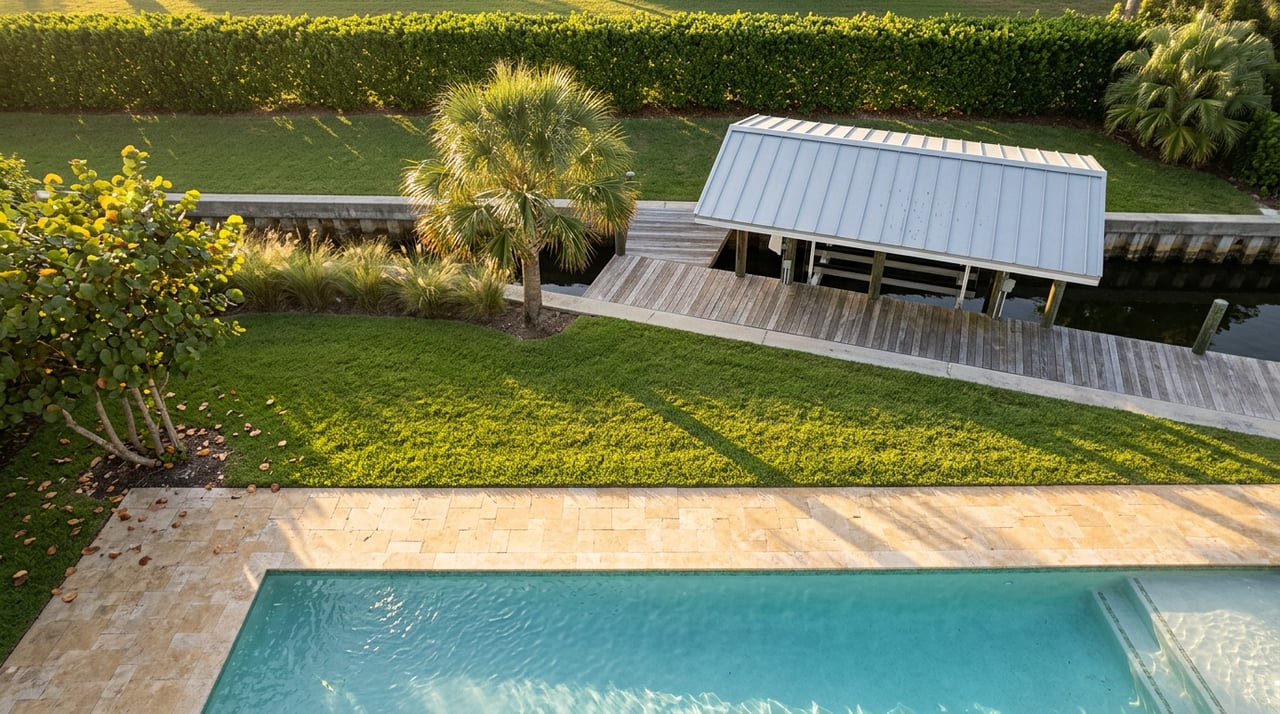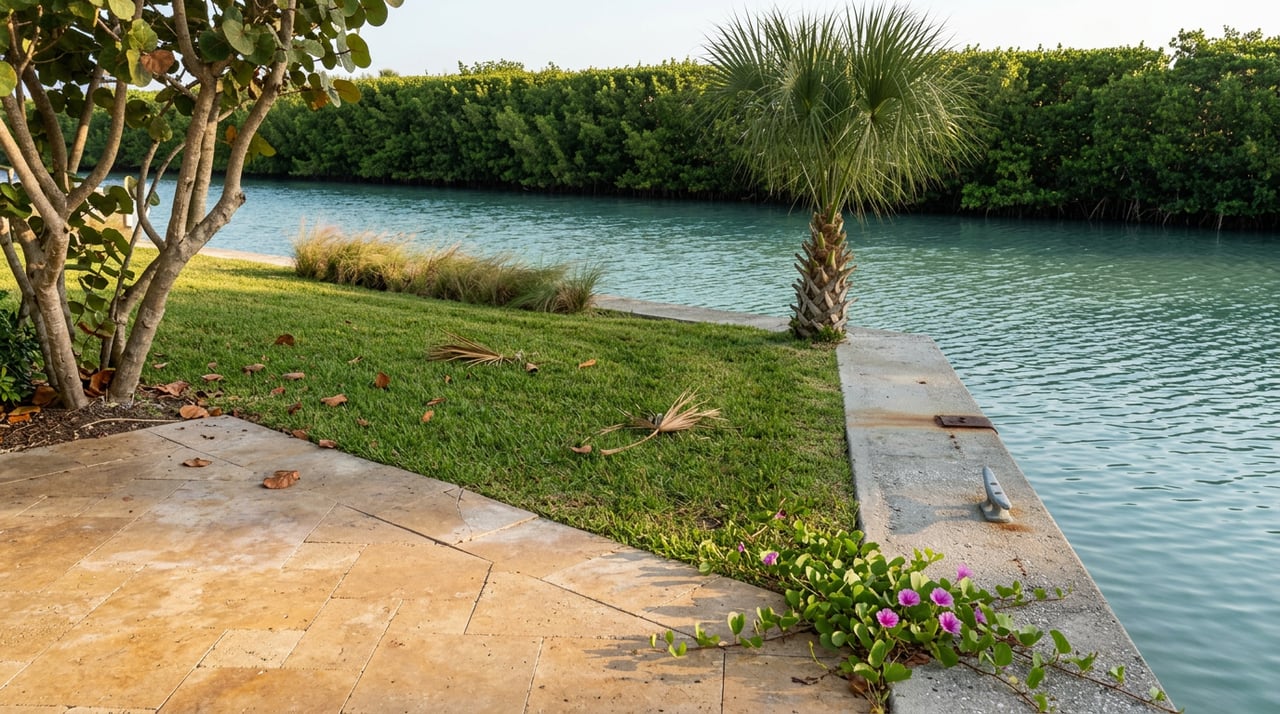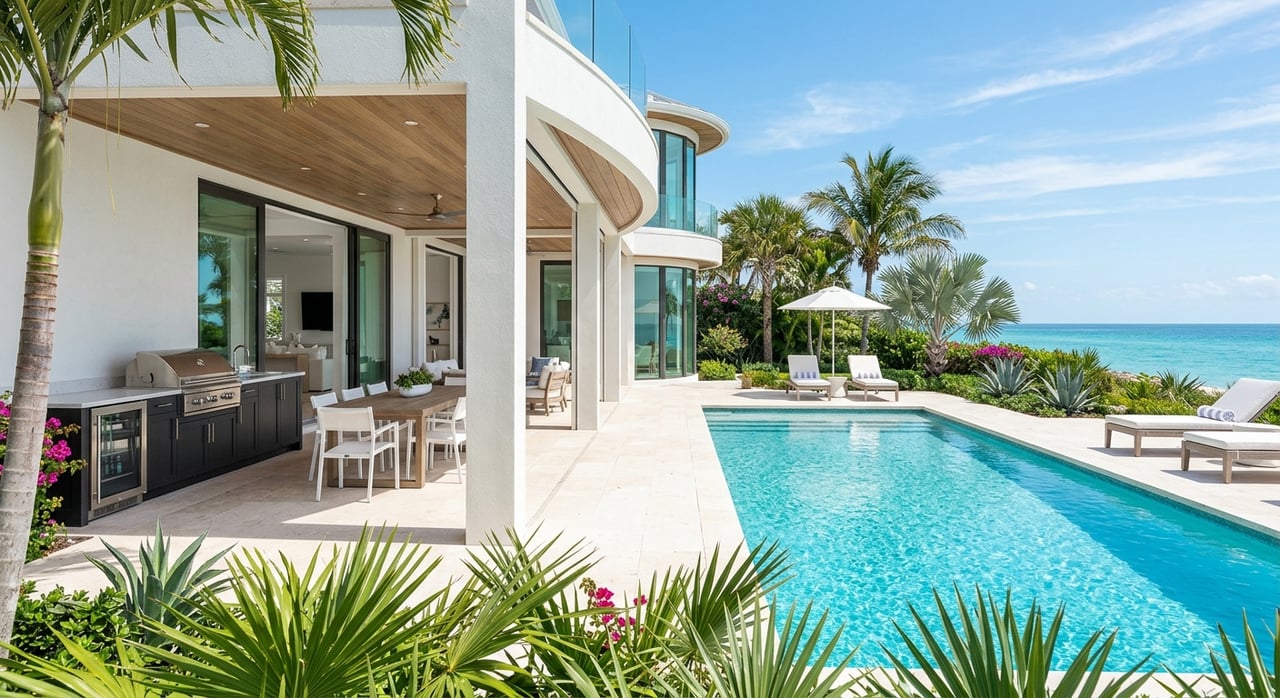
What turns a backyard into a true extension of your home in Snell Isle? It is rarely just one feature. In this part of St. Petersburg, the most successful outdoor spaces balance beauty with real-world coastal performance, giving you a place to relax, entertain, and reset after a summer storm without losing that polished, resort-like feel. If you are thinking about improving your outdoor living area, this guide will help you design for the way Snell Isle homes are actually lived in. Let’s dive in.
Why outdoor living matters in Snell Isle
Snell Isle has long been associated with elegant homes and a refined residential setting. The neighborhood opened in 1925 under C. Perry Snell, with a vision that emphasized golf, club life, and stately architecture. That legacy still shapes what many buyers and homeowners expect today: outdoor spaces that feel elevated, intentional, and easy to enjoy.
At the same time, outdoor design here cannot be based on looks alone. The City of St. Petersburg has identified parts of the Snell Isle watershed as vulnerable to flooding when high tides and heavy rain happen together, particularly along roads such as Snell Isle Blvd NE and Appian Way NE. That means the best outdoor spaces are designed to feel luxurious while also standing up to salt air, heavy summer rain, and occasional water-related challenges.
Design for Snell Isle’s climate
St. Petersburg’s climate is a major part of outdoor living. NOAA climate normals show an annual average temperature of 74.5°F, about 52.48 inches of annual precipitation, and summer highs near 90.8°F to 90.9°F in July and August. June through September are the wettest months, so your outdoor space needs to perform well during long, hot, humid stretches.
In practical terms, that usually means planning around three priorities: shade, airflow, and durability. If a space gets too hot by midday or stays damp too long after rain, you are less likely to use it consistently. The goal is to create a layout that stays comfortable enough for everyday living, not just special occasions.
Start with shade and ventilation
In Snell Isle, shade is not a luxury feature. It is a daily-use feature. Covered seating areas, large umbrellas, and pergola-style structures can help make outdoor spaces more inviting during the hottest months.
Air movement matters just as much. Open layouts, breezy furniture placement, and wind-aware design choices can help keep a lounge or dining area from feeling stuffy. When shade and ventilation work together, your outdoor space starts to feel like a second living room instead of a patio you only use in winter.
Choose materials that handle sun and rain
Strong sun and frequent summer rain can wear down finishes quickly. Outdoor furnishings and surfaces should be selected with long exposure in mind, especially in a coastal setting where moisture and salt can speed up wear.
That does not mean you have to sacrifice style. It simply means the most successful designs pair clean aesthetics with practical materials that are easier to maintain and quicker to reset after a storm.
Build an outdoor layout that lives well
One of the smartest ways to design an outdoor space is to think in zones. Instead of treating the yard or patio as one big area, break it into purposeful spaces that support how you actually live.
Houzz’s 2024 outdoor trends study shows that many homeowners are focusing on lounge areas, lighting, fire features, water features, and outdoor kitchens. That aligns well with what works in Snell Isle, where entertaining and relaxed coastal living often go hand in hand.
Core zones to consider
A strong outdoor layout often includes a mix of the following:
- A shaded seating area for conversation and daily lounging
- A dining space that feels connected to the home
- A grill or summer kitchen zone for entertaining
- Layered lighting for evening use and ambiance
- Planting beds or privacy screens that soften the space
You do not need every feature to create impact. In many cases, a well-planned lounge, dining area, and lighting scheme can deliver the most value and the most day-to-day enjoyment.
Make entertaining easy
If you enjoy hosting, think about flow. Guests should be able to move easily from the interior of the home to the outdoor seating and dining areas. Furniture placement, shade coverage, and access to cooking or serving zones all shape how comfortable the space feels.
The strongest outdoor designs feel effortless because they reduce friction. You are not walking long distances to serve food, moving chairs to escape the sun, or dealing with dim lighting once the evening starts. Good design supports the experience without calling attention to itself.
Use coastal-friendly landscaping
Landscaping in Snell Isle works best when it respects the site. UF/IFAS notes that coastal landscapes must deal with wind, salt, sandy high-pH soils, and periods of drought stress. In near-water yards, the right-plant, right-place approach is especially important.
That is why low-maintenance landscapes are usually not about doing less. They are about planning better. When plants are well matched to coastal conditions, the yard tends to look better, hold up better, and require fewer corrective changes over time.
Salt-tolerant plants that fit the setting
UF/IFAS identifies several salt-tolerant plants that can work well in coastal Florida landscapes, including:
- Beach sunflower
- Gaillardia
- Seaside goldenrod
- Sea oats
- Muhly grass
- Wax myrtle
- Live oak
- Southern red cedar
- Cabbage palm
- Saw palmetto
- Coontie
- Seagrape
- Cocoplum
These plants can help create a softer, more natural coastal look while still handling the realities of wind and salt exposure. They also support the polished but livable character that suits Snell Isle homes.
Plan for wind and privacy
Wind can shape how comfortable an outdoor space feels. UF/IFAS notes that wind screens can be created with fences, sturdy shrubs, or groups of trees. That can be useful if you want to define seating areas, reduce exposure, or add a stronger sense of enclosure without making the yard feel closed off.
Privacy design should feel layered rather than heavy. A combination of planting, fencing where appropriate, and smart furniture placement often creates a more attractive result than relying on a single barrier.
Remember that low maintenance still needs a plan
Even salt-tolerant coastal plants need fresh water during establishment and stress periods, according to UF/IFAS. So if your goal is lower upkeep, irrigation strategy still matters.
Pinellas County notes that many native plants perform well with reclaimed water, and reclaimed water can also reduce fertilizer needs because it contains nutrients. The county also has watering rules, with potable, well, and lake-water customers currently limited to one-day-per-week watering and separate reclaimed-water schedules that change seasonally. That makes efficient irrigation and drought-tolerant planting even more important.
Think about resilience before you build
Outdoor living in Snell Isle should be beautiful, but it should also be resilient. Because portions of the area can experience flooding tied to high tides and heavy rain, it helps to think ahead before installing patios, fences, or other features.
The City of St. Petersburg lists some single-family fences and certain low flatwork patios or walks as permit-exempt, but projects in designated flood zones may still have to meet flood-related requirements. In other words, even straightforward-looking upgrades can come with site-specific rules. Checking local requirements early can save time, money, and frustration later.
A simple resilience checklist
Before starting your project, consider:
- Whether the design allows for quick cleanup after storms
- Whether materials can handle salt, moisture, and strong sun
- Whether drainage and water movement have been considered
- Whether plant choices match coastal conditions
- Whether city rules may apply to fences, patios, or structures
These decisions may not be the most visible part of the project, but they often have the biggest effect on how well the space holds up over time.
Focus on features that support resale
Outdoor improvements are not only about lifestyle. They can also support how your home presents when it is time to sell. Research cited in the report shows that outdoor projects often increase homeowner enjoyment, and curb appeal remains a major priority when preparing a home for market.
In Snell Isle, buyers often respond to outdoor spaces that feel complete rather than unfinished. A backyard or front approach that includes thoughtful lighting, healthy planting, usable seating, and a clear sense of function can make the home feel more cohesive.
What buyers tend to notice
While every property is different, outdoor spaces often feel stronger when they include:
- Defined areas for seating or dining
- Shade that makes the space usable during the day
- Lighting that extends use into the evening
- Landscaping that looks appropriate for the coastal setting
- A clean, intentional look that connects with the home’s architecture
The key is not overbuilding. It is creating outdoor spaces that feel easy to enjoy and easy to understand.
Outdoor living as lifestyle infrastructure
The best outdoor spaces in Snell Isle do more than photograph well. They support the way you live, whether that means a quiet morning coffee under shade, a comfortable setting for dinner with friends, or a yard that still feels composed after a summer downpour.
That is why the smartest designs usually combine comfort, resilience, and visual polish. When you plan around the realities of sun, rain, salt, and site conditions, your outdoor space becomes more than a decorative upgrade. It becomes part of the home’s daily value.
If you are preparing to buy, sell, or refine a Snell Isle property, thoughtful outdoor design can shape both lifestyle and presentation. For tailored guidance on positioning coastal homes with the details today’s buyers notice, connect with Evan & Ashley Pedone.
FAQs
What outdoor features work best for Snell Isle homes?
- The most effective features usually include shaded seating areas, dining space, summer kitchen or grill zones, layered lighting, and coastal-friendly landscaping that can handle sun, salt, and rain.
What landscaping is best for a coastal yard in Snell Isle?
- Coastal-friendly landscaping often includes salt-tolerant plants such as sea oats, muhly grass, coontie, seagrape, cocoplum, beach sunflower, and cabbage palm, depending on the yard’s conditions and layout.
What climate factors should you plan for in Snell Isle outdoor spaces?
- You should plan for heat, humidity, strong sun, frequent summer rain, wind, salt exposure, and in some locations, flooding related to heavy rain and high tides.
What should Snell Isle homeowners know about watering outdoor landscapes?
- Pinellas County has watering rules, including one-day-per-week watering for potable, well, and lake-water customers, while reclaimed-water schedules vary by season.
What should Snell Isle homeowners check before building patios or fences?
- You should review City of St. Petersburg rules early, because even if some fences or low flatwork may be exempt from permits, properties in flood zones may still need to meet flood-related requirements.