Are you weighing the allure of a private beach against the practicality of a protected dock in Indian Rocks Beach? You are not alone. On this narrow barrier island, the difference between Gulf-front and Intracoastal pricing comes down to more than just the view. In this guide, you will learn how location type shapes value, how insurance and flood zones affect ownership costs, and how to compare apples to apples with local comps. Let’s dive in.
Waterfront types in IRB
Indian Rocks Beach sits between the Gulf of Mexico and Boca Ciega Bay. That geographic setup creates two high-demand waterfront options:
- Gulf-front: Direct beach access with unobstructed sunset views, usually west-facing.
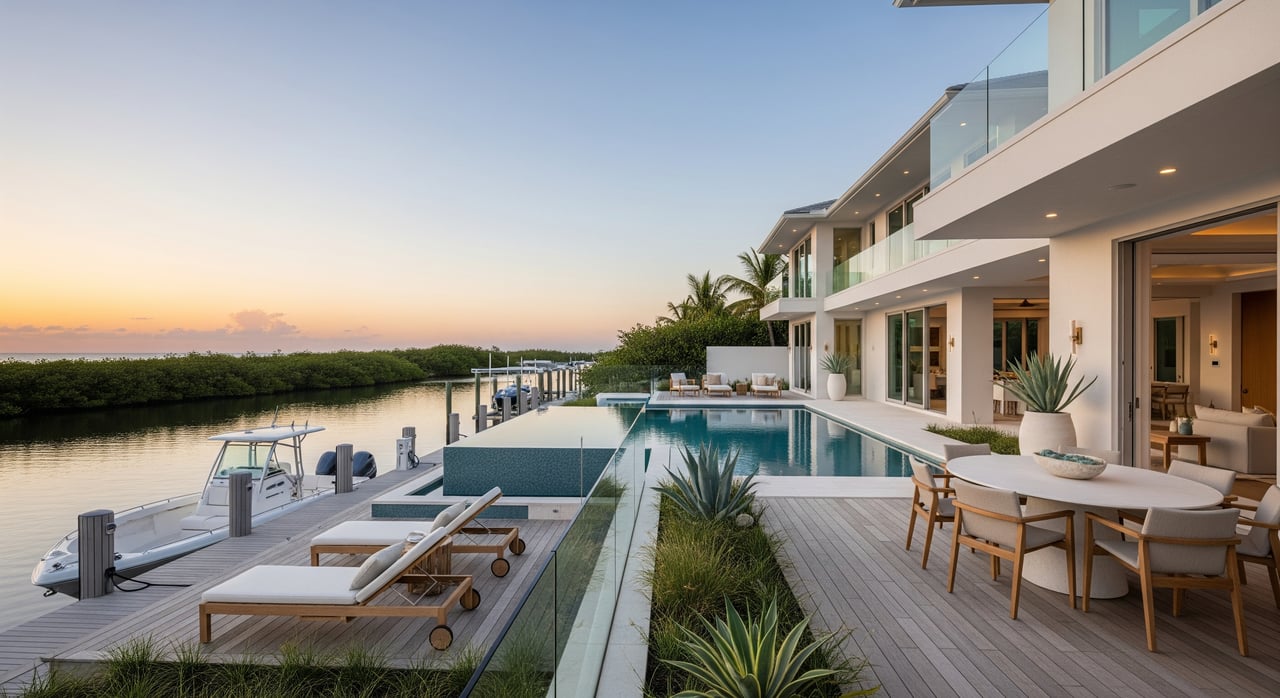
- Intracoastal and canal: Protected water with boat-friendly access, often with private docks and wider lots.
Both are premium locations. The right choice depends on how you plan to live, boat, rent, and manage risk.
What drives the price gap
View and beach access
On the Gulf, you get panoramic water views and a private path to the sand. That visibility in photos and daily living often boosts demand. Buyers pay for the lifestyle and the sunsets.
Boating and dock value
On the Intracoastal and canals, the dock, water depth, and bridge clearance become the headline features. If you own a boat or plan to, dock quality and navigability can outweigh beach proximity. For many boaters, protected water is the nonnegotiable amenity.
Lot size and privacy
Some bay and canal lots are wider or deeper, which can increase buildable area and outdoor living. Gulf-front homes enjoy the open horizon but may experience more public activity along the beach. Your privacy preferences and how you use outdoor space will guide value for you.
Rental income potential
Gulf-front properties often command higher nightly rates due to direct beach access. Intracoastal homes can perform well too, especially if the dock and outdoor areas are strong. Your returns depend on local rules, parking, seasonality, and actual occupancy history.
Risk and maintenance costs
Gulf exposure can bring more wave action and wind, which may affect insurance and upkeep. On the bay side, seawall and dock condition matter. These ongoing costs influence buyer demand and final pricing.
Flood zones and insurance impact
Flood zones and elevation are major factors in ownership cost and value. Many Gulf-front parcels fall into higher-risk coastal zones, while bay and canal properties can vary. Always verify the parcel’s flood zone through the FEMA Flood Map Service Center and request an Elevation Certificate when available.
Insurance premiums for flood and wind vary by elevation, construction, and exposure. Florida’s market changes frequently, so obtain quotes early. For statewide guidance and market context, review the Florida Office of Insurance Regulation and consult carriers like Citizens Property Insurance for policy options and documentation needs.
How to quantify the local premium
There is no single premium that fits every property in Indian Rocks Beach. Use a data-driven approach to compare:
- Pull 6 to 12 months of sold comps for both Gulf-front and Intracoastal properties with similar size and bed-bath counts.
- Exclude outliers like major gut renovations or non-arm’s-length sales.
- Adjust for view quality, direct beach access, dock and seawall condition, lot size, elevation, and recent upgrades.
- If few sales exist, include nearby barrier islands with similar product, then apply conservative location adjustments.
- Review price per square foot, median sale price, and days on market by frontage type to gauge demand.
Cross-check parcel details and sales history with the Pinellas County Property Appraiser, and pair MLS data with local trend snapshots from Florida Realtors. The goal is a clear, apples-to-apples comparison you can defend.
Buyer checklist: Gulf vs. Intracoastal
Use this quick list when you tour and compare:
- Confirm flood zone, base flood elevation, and request an Elevation Certificate when available.
- Obtain preliminary quotes for flood and homeowners insurance before writing an offer.
- Inspect seawalls, docks, pilings, and permit records, including any recent repairs.
- For boating, verify water depth, bridge clearances, and any dredging history.
- Consider access and parking, especially near beach entrances and peak-season traffic.
- If investing, review actual rental performance and local short-term rental rules.
Seller playbook: Maximize your value
To highlight what buyers value most, bring documentation to the forefront:
- Elevation Certificate, wind mitigation reports, and impact window upgrades.
- Seawall and dock permits, age, and repair records.
- Professional photography that showcases signature amenities, from sunset vistas to boat access.
- Verified rental history and occupancy data if marketing to investors.
Proactive disclosure reduces buyer uncertainty and protects your price.
Short-term rentals: What to know
Local rules shape rental performance and buyer demand. Policies can include registration, occupancy limits, parking rules, and tax compliance. Review current regulations and permitting steps with the City of Indian Rocks Beach before you underwrite income or set expectations.
Which waterfront fits your lifestyle
Choose based on the amenity you will use every week:
- Pick Gulf-front if you want direct sand access, daily sunsets, and top-tier visual appeal.
- Choose Intracoastal or canal if you prioritize boating, protected water, and possibly more usable lot depth.
If you value both, look for hybrid solutions nearby, such as near-beach homes with deeded access or bay homes in walking distance to a beach access point. Your agent can help you map lifestyle tradeoffs to real options on the island.
Work with a local advisor
In a small, high-demand market like Indian Rocks Beach, the right comps, insurance planning, and permit due diligence make all the difference. A tailored plan helps you avoid surprises and negotiate with confidence. If you are exploring Gulf-front or Intracoastal, or preparing to sell, let’s build a valuation strategy anchored in real data and your goals.
Ready to compare your options with precision? Connect with Evan & Ashley Pedone to start your custom market analysis and marketing plan.
FAQs
How do prices differ between Gulf-front and Intracoastal in Indian Rocks Beach?
- There is no fixed premium because it depends on view, lot size, dock and seawall condition, elevation, and recent upgrades; use a 6 to 12 month comp set adjusted for these factors.
How do flood and wind insurance change total ownership cost?
- Premiums vary by flood zone, elevation, and construction details, so request quotes early and review guidance from the Florida Office of Insurance Regulation and Citizens Property Insurance.
Are Intracoastal homes better for boaters than Gulf-front?
- Typically yes, because protected water, private docks, and navigability on the Intracoastal and canals are primary value drivers for boat owners.
Which property type performs better for short-term rentals in IRB?
- Gulf-front often earns higher nightly rates, but rules, parking, and seasonal demand affect net returns, so verify current policies with the City of Indian Rocks Beach and review actual rental history.
What if there are not many recent Gulf-front sales to compare?
- Expand to similar nearby barrier islands, apply conservative location adjustments, and disclose your method, then anchor on price per square foot and days on market for clarity.