You come to Clearwater Beach for the sugar-white sand and turquoise Gulf views. Choosing the right luxury condo is about more than a postcard view, though. You want a home that fits your lifestyle, holds value, and closes smoothly with no surprises. In this guide, you’ll compare building styles and amenity tiers, understand what drives prices, and get a clear due diligence checklist tailored to Clearwater Beach. Let’s dive in.
Clearwater Beach at a glance
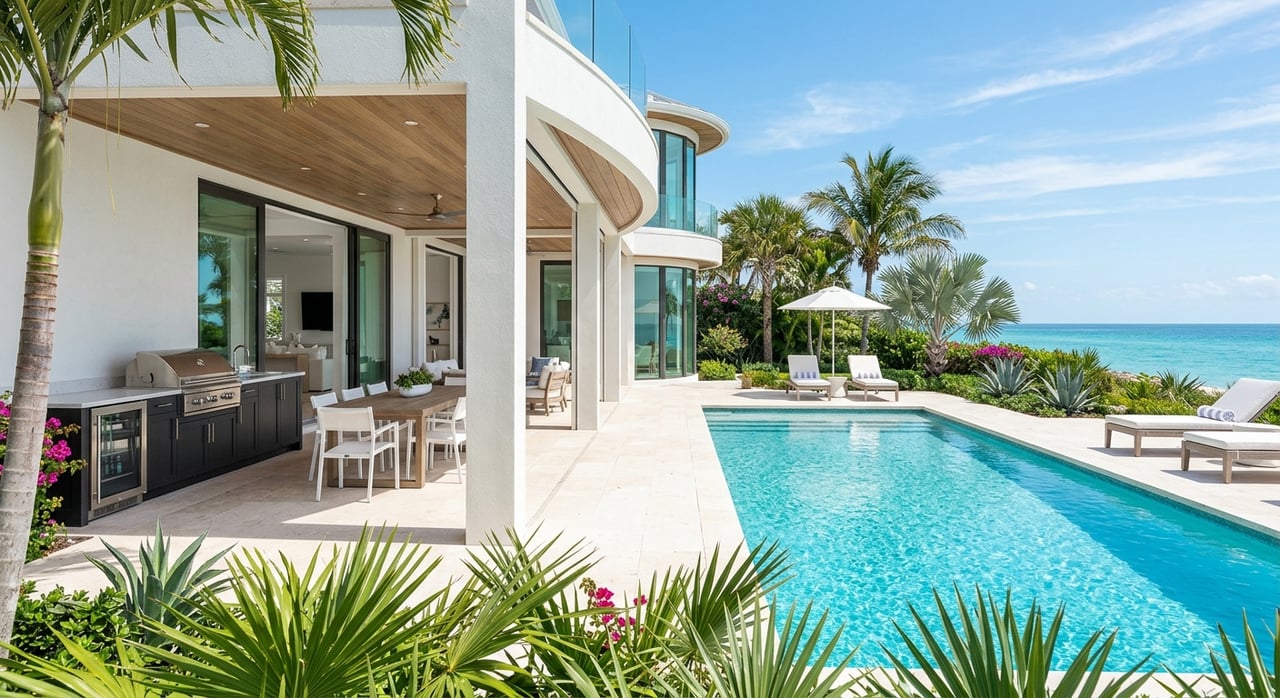
Clearwater Beach is a small, high-value pocket within Pinellas County. Direct Gulf-front condos make up the top tier and often command seven-figure prices, while non-beachfront homes in the same ZIP can trade for less. Multiple market providers reflect this price dispersion within a short distance. New luxury projects, like branded residences, continue to set the upper bar and reinforce the area’s premium positioning.
What counts as luxury here? A practical rule of thumb is the top 5 to 10 percent by price across Clearwater Beach. In many months that means units around 900,000 dollars and up, with direct Gulf-front homes often starting above 1 to 1.5 million dollars. Your exact target range will depend on view, building, floor, and amenities.
Building styles buyers compare
Clearwater Beach and nearby Sand Key offer a mix of luxury building types. Knowing how they differ will help you focus tours.
Resort-branded residences
- What they are: Hotel-affiliated or branded residential towers with full-service, resort-level operations.
- Why buyers choose them: High-touch concierge, private beach setups, curated resident services, and top-tier finish standards.
- Local example: The planned Viceroy Residences are positioned at the very top of the market with multiple-million dollar offerings and hotel-level amenities, as reported in national coverage of new luxury developments. See the Viceroy mention in the roundup of 2025 launches for context on pricing and amenity expectations for branded residences. Mansion Global’s overview of luxury launches
Large resort-style complexes
- What they are: Multi-building, resort-like communities with private walkways to the beach, extensive pools, tennis, larger gyms, and gated security.
- Why buyers choose them: Scale, amenity depth, and a true resort feel. Strong on-site operations can support consistent maintenance.
- Local touchstones: Properties like The Grande on Sand Key illustrate this category’s amenity profile and on-site lifestyle.
Boutique luxury mid-rise and older high-rise conversions
- What they are: Smaller buildings, often with fewer units and unique floor plans. Some are older high-rises with strong views from upper floors.
- Why buyers choose them: Character floor plans, location, and view corridors. You may trade new-construction finishes for a special stack or line.
- Local touchstones: Buildings such as Ultimar and Utopia are often used as reference points when discussing boutique or legacy high-rises.
Gated townhome-style communities
- What they are: Townhome clusters within a condo association, sometimes with marina access and private boat slips.
- Why buyers choose them: House-like layouts with attached-garage convenience and community amenities. Popular with boaters and long-stay owners.
- Local touchstones: Belle Harbor-style communities often appeal to buyers seeking more space and marina access within walking distance of the beach.
Amenity tiers to compare
Use this quick checklist during tours and ask which amenities are included in HOA dues versus pay-as-you-go.
- Basic
- Secure entry and assigned parking
- Pool and exterior maintenance
- On-site or in-unit laundry
- Mid-tier
- Full fitness center and elevator lobbies
- Gated entry, storage, and guest suites
- Heated pool and valet or concierge
- Luxury or resort-tier
- Private beach access and cabanas
- Food and beverage service, private dining, or spa
- Valet parking, staffed concierge, and branded services
- Private slips or marina access
Branded residences like the planned Viceroy typically sit in the luxury tier and command the highest per-square-foot values. Learn more about branded-residence positioning.
What drives price on Clearwater Beach
1) View and “stack” premiums
You can expect a measurable premium for direct Gulf exposure compared to interior or partial views. Peer-reviewed research on coastal properties often shows single-digit to mid-teens percentage premiums for water views, with variation by market and view quality. See an overview of coastal view premiums.
Within the same floor plan or stack, value typically increases with:
- Direct, unobstructed Gulf line of sight
- Corner positions with wider view angles
- Higher floors that reduce street noise
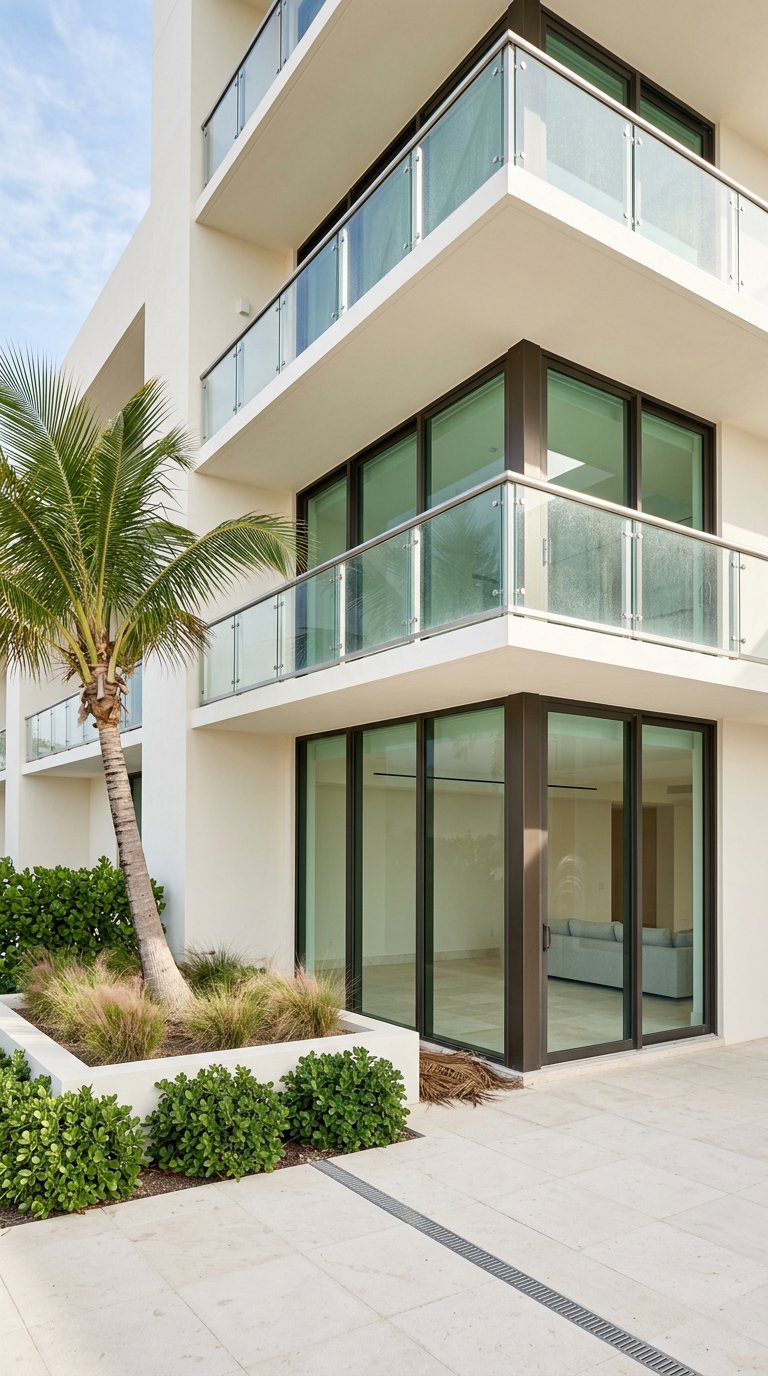
- Larger, private balconies
Ask your agent for same-stack comps on different floors to quantify premiums in a specific building.
2) Building age, milestone inspections, and reserves
Florida now requires structural milestone inspections for many condo buildings that are three stories or taller. The program generally calls for an inspection at 30 years, then every 10 years, with coastal areas sometimes triggering earlier reviews. Buyers should request the milestone inspection report, the Structural Integrity Reserve Study, and confirm how the association is funding required reserves. These findings can lead to special assessments if major work is identified. Read a clear guide to Florida milestone inspections and reserve rules.
Local takeaway: Some Clearwater and Sand Key buildings have scheduled façade, balcony, or garage restorations tied to these reviews. Always check whether work is planned and if assessments have been adopted.
3) HOA dues and financial health
Gulf-front buildings often carry higher dues because they include exterior maintenance, master insurance, elevators, pools, security, and sometimes beach services. Luxury programs and increased insurance costs can raise budgets. Review the current budget, reserve study, last 12 months of financials, meeting minutes, litigation status, and master insurance declarations. Florida’s recent changes emphasize more transparent reserves that cannot be waived in many cases. See an overview of inspection and non-waivable reserve requirements.
4) Insurance and flood exposure
Coastal properties require careful insurance planning. If a unit is in a FEMA Special Flood Hazard Area, flood insurance will be needed for most mortgages. Barrier islands like Clearwater Beach commonly include AE and VE flood zones, so verify maps and request an elevation certificate when available. Check the association’s master policy, hurricane or wind deductibles, and whether there is a Residential Condominium Building Association Policy. Use Pinellas County’s Flood Map Service Center and cross-verify on FEMA’s Flood Map Service Center. For broader insurance context in Florida, review this Florida homeowners and condo insurance guide.
5) Financing and project eligibility
If you plan to finance, confirm early whether the condo project is eligible under your lender’s guidelines. Many conventional lenders require “warrantable” status that looks at owner-occupancy, reserves, insurance, litigation, and concentration limits. Non-warrantable buildings can still close, but may require higher down payments, different lenders, or higher rates. Ask your lender how they will review the project, how fast they can complete a condo questionnaire, and whether they use Fannie Mae’s project review paths. See Fannie Mae’s project review framework.
6) Short-term rentals and investor rules
Short-term rentals in Pinellas County require registration, and the City of Clearwater enforces its own licensing and zoning rules. On top of that, each condo association has its own bylaws that may limit or prohibit short-term rentals. Do not rely on online listings for rental assumptions. Confirm county, city, and association rules before you underwrite revenue or close. Start with Pinellas County’s STR certificate of use program.
Your due diligence checklist
Ask your agent to assemble these items before you write an offer when possible:
- Recent comps in the same building and, ideally, the same stack on different floors
- Current HOA budget, last 12 months of financials, reserve study, assessment history, and meeting minutes
- Master insurance declarations, including wind and hurricane deductibles
- Association bylaws and rental rules, including links to county and city requirements for STRs
- Milestone inspection and Structural Integrity Reserve Study, with timelines and quotes for any planned work
During the inspection period, add:
- General home inspection; engineer review if the building is older or shows visible concrete or balcony issues
- Confirmation of façade, balcony, garage, or deck restoration schedules and any approved special assessments
- Lender project approval pathway and timing, including condo questionnaire needs
- FEMA flood map confirmation, elevation certificate if available, and preliminary flood quote
If inspections or reports reveal material work ahead, you can often negotiate price concessions, credits, or escrow holdbacks with clear timelines.
Costs to expect at closing
Florida closing costs vary by county and contract, but here are common items to budget for:
- Documentary stamp on the deed. Generally 0.70 dollars per 100 dollars of purchase price. This is often paid by the seller, but it is negotiable. See a deed doc stamp overview
- Documentary stamp on the note. If you take a mortgage, budget 0.35 dollars per 100 dollars of the loan amount. Confirm note tax rates
- Nonrecurring intangible tax on a new mortgage. The rate is 0.002 times the loan amount. For example, a 300,000 dollar mortgage has a 600 dollar intangible tax. Florida Department of Revenue details
- Property taxes. Use the Pinellas County Property Appraiser’s estimator, since total bills vary by city, districts, and exemptions. Estimate taxes with the county tool
Tips for international buyers
- FIRPTA awareness. When a foreign seller disposes of U.S. real property, the buyer may have withholding obligations under FIRPTA. If you plan to resell later or are purchasing from a foreign seller now, coordinate with your closing agent and tax advisor early. You may need a U.S. tax identification number to process filings or claim refunds. Review the IRS’s ITIN and FIRPTA guidance
- Financing. Many lenders serve non-resident buyers, but expect larger down payments and extra documentation. Some foreign buyers choose cash to streamline closing. Coordinate with a lender experienced in foreign-national loans and confirm the condo project’s eligibility requirements. See Fannie Mae’s project review guidance
- Estate planning. Non-U.S. buyers should obtain tax and legal advice on U.S. estate and ownership structures before closing.
How to use this guide on tour day
- Start with view and stack. Identify your must-have exposures, corner lines, and minimum floor height.
- Match lifestyle to building type. Decide whether you want boutique privacy, a full resort, or a townhome-style layout with marina access.
- Price-check with comps. Ask for same-stack comps and recent trades to estimate view and floor premiums.
- Inspect the association’s health. Read the budget, reserves, minutes, and milestone reports before you get attached to a unit.
- Verify insurance and flood. Confirm flood zone, elevation certificate, and both the association’s and your personal coverage.
- Align financing early. Have your lender start the condo project review and condo questionnaire as soon as you are serious.
- Confirm rental plans. If investing, verify county, city, and HOA rules for STRs before you underwrite seasonal income. Pinellas STR resource
Ready to see the best options without the noise? Tap into local expertise and private inventory with Evan & Ashley Pedone for a tailored tour and white-glove strategy. Schedule a Free Consultation.
FAQs
What defines a luxury condo on Clearwater Beach?
- In this market, luxury typically means the top 5 to 10 percent by price. That often starts near 900,000 dollars, with direct Gulf-front homes commonly above 1 to 1.5 million dollars, depending on view, building, and amenities.
How much more do Gulf views add to price?
- Coastal research points to single-digit to mid-teens premiums for water views. In practice, direct Gulf exposure, corner lines, higher floors, and larger balconies can add meaningful value. View premium context
What should I review in a condo’s financials?
- Request the current budget, reserve study, last 12 months of financials, meeting minutes, litigation status, and master insurance policy. Also ask for milestone inspection and SIRS reports. Florida milestone overview
How do flood zones affect buying on Clearwater Beach?
- If your unit is in a FEMA Special Flood Hazard Area, your lender will require flood insurance. Verify flood zone and elevation, and review the association’s master policy and deductibles. Pinellas flood map tool
Can I short-term rent my Clearwater Beach condo?
- It depends on three layers: Pinellas County registration, City of Clearwater rules, and your association’s bylaws. Confirm all three before assuming nightly rentals. Pinellas STR program
What is a warrantable condo and why does it matter?
- Warrantable projects meet lender and agency standards on reserves, insurance, owner-occupancy, litigation, and other items. Non-warrantable buildings may require larger down payments or portfolio loans. Fannie Mae review basics